Water solenoid valves are essential components in modern plumbing and automation systems. These electromechanical devices control the flow of water by using an electromagnetic field to open or close a valve. Widely used in various industries, from home appliances to industrial systems, they play a crucial role in ensuring efficient water control. This article delves into the functionality, types, applications, and advantages of water solenoid valves.
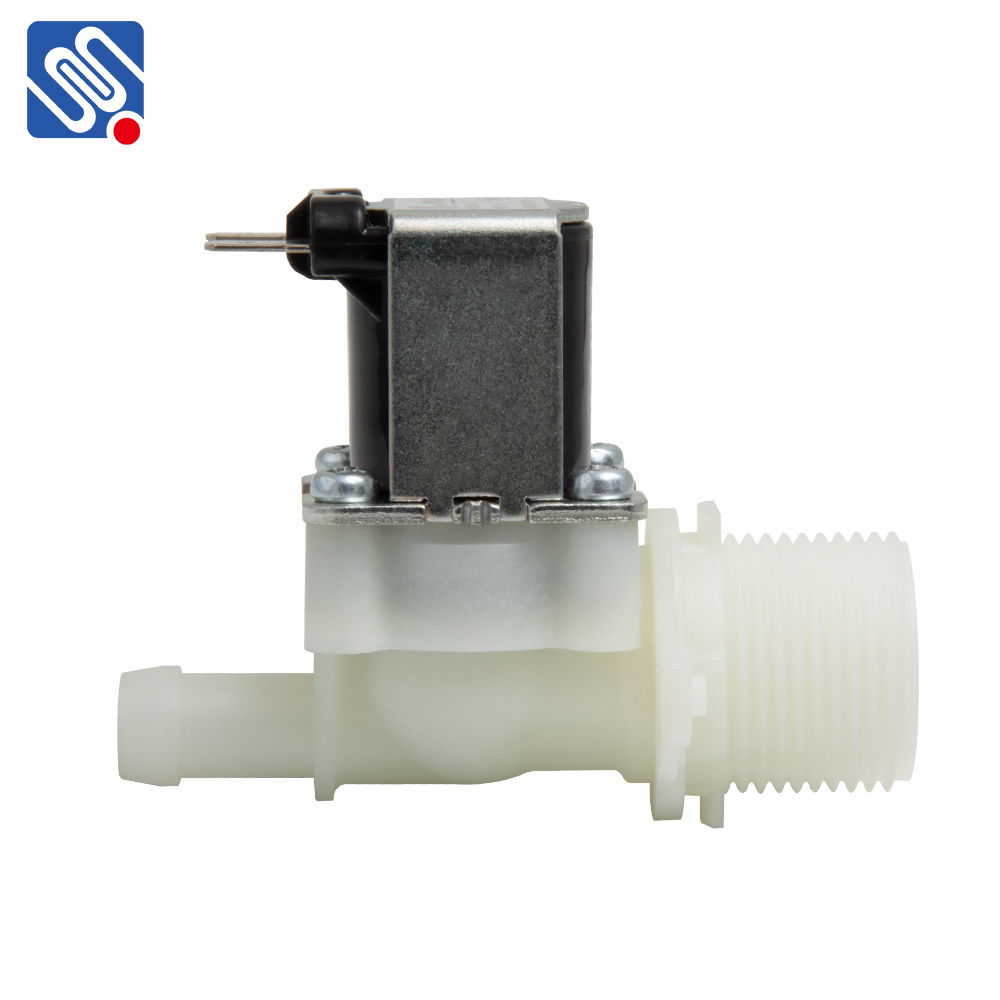
What is a Water Solenoid Valve? A water solenoid valve is an electrically operated valve that opens or closes a flow path for water when a voltage is applied to its solenoid coil. The solenoid consists of a coil of wire that, when energized, generates a magnetic field. This magnetic field acts on a plunger or armature, which moves to either open or close the valve. Once the electrical current is removed, the valve returns to its default position, typically closing the flow. These valves are designed to regulate the flow of water or other liquids in systems where precise control is necessary. They come in various sizes and configurations, depending on the application, and can be found in residential, commercial, and industrial settings.