The transition to electric vehicles (EVs) is rapidly accelerating, with numerous technological advancements supporting the industry’s growth. One critical component ensuring the safe and efficient operation of EV systems is the relay, which plays a pivotal role in controlling the flow of electrical power in the vehicle’s charging and battery management systems. Among the various standards governing electrical components in EVs, IEC 61811 stands out, especially when it comes to defining the requirements for relays used in such applications. In this article, we will explore the key aspects of the IEC 61811 standard and its significance in EV relay design, performance, and safety.
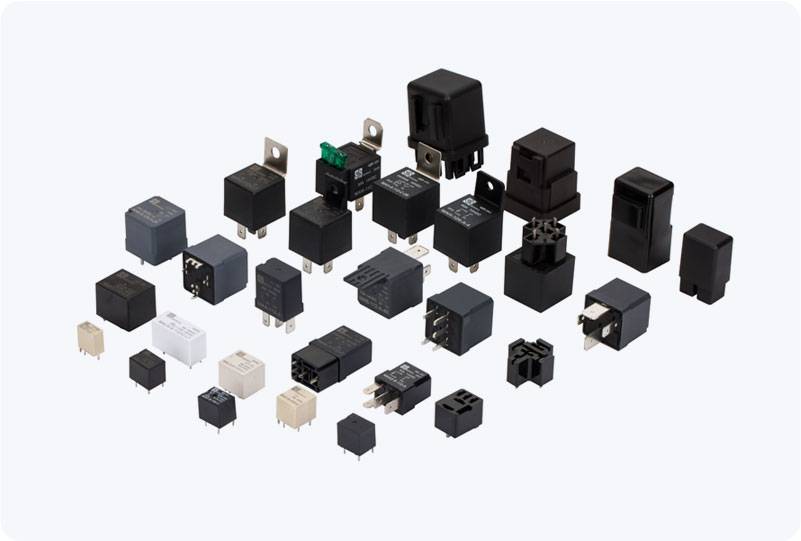
What is IEC 61811? IEC 61811 is an international standard developed by the International Electrotechnical Commission (IEC), outlining the safety and performance requirements for relays and solid-state relays. This standard is crucial for ensuring that relays used in electrical systems—particularly in EVs—operate safely, reliably, and efficiently over their expected lifespan. In the context of electric vehicles, relays are primarily used for controlling high-voltage circuits in charging systems, managing power flow to the battery, and protecting electrical components from damage. Why Are Relays Essential in EV Systems?