In the ever-evolving world of electrical systems, IGBT-based HV (High Voltage) relays have emerged as vital components for high-voltage switching, offering enhanced performance, efficiency, and reliability. This article explores the functioning, applications, and advantages of IGBT-based HV relays, while also shedding light on their growing importance in modern power systems.
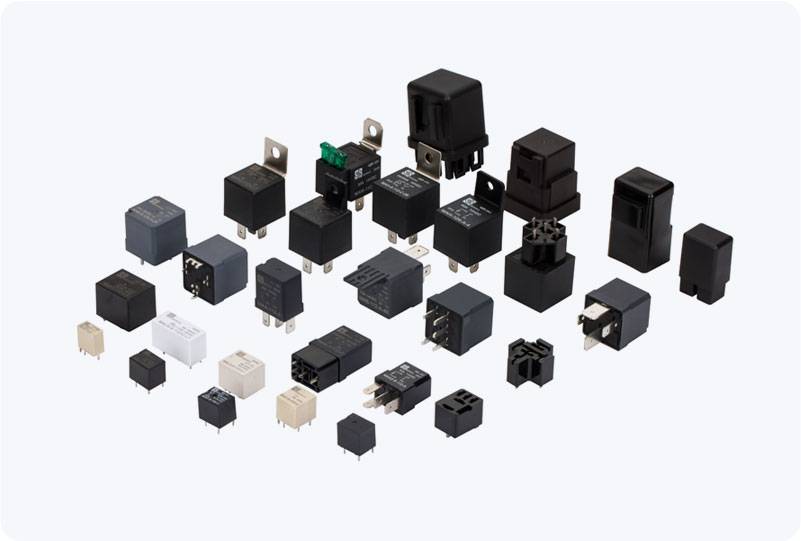
What is an IGBT-Based HV Relay? An IGBT-based HV relay is a type of relay that utilizes Insulated Gate Bipolar Transistor (IGBT) technology to control the flow of electrical current in high-voltage systems. The IGBT is a semiconductor device that combines the benefits of MOSFET (Metal-Oxide-Semiconductor Field-Effect Transistor) and BJT (Bipolar Junction Transistor), enabling it to handle both high voltage and high current with impressive efficiency. Traditional mechanical relays, which are often used for controlling high-voltage circuits, have mechanical parts that can wear down over time, leading to failure or inefficiency. On the other hand, IGBT-based relays eliminate moving parts, making them more durable, faster, and capable of handling high-voltage loads with minimal wear and tear.