A latching relay is a type of electromagnetic relay that retains its state without the need for continuous power. Unlike a standard relay that requires a constant current to remain in a particular state, a latching relay uses pulses to switch between two stable states and keeps the state even after the power is turned off. This distinctive feature of maintaining its position until an external signal changes it makes it a vital component in many electrical and electronic applications.
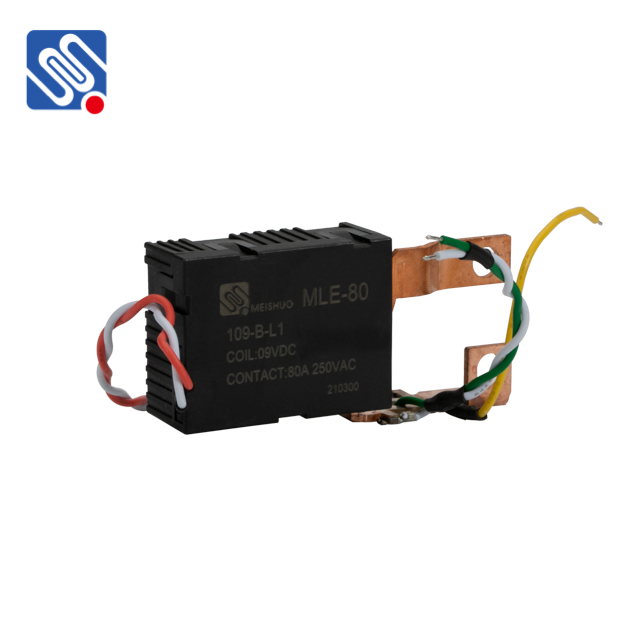
Working Principle of Latching Relay The fundamental concept behind a latching relay is its ability to remain in a fixed state (either on or off) without consuming continuous power. In a typical relay, the current needs to flow continuously to hold the contacts in place. However, with a latching relay, only a brief pulse of power is required to switch the state, and once changed, it will stay in that position indefinitely until another pulse is applied to switch it back. Latching relays generally operate with two primary states: latched and unlatched. The relay can be either in the “on” or “off” state, and the current pulse will switch it from one state to the other. This “memory” feature of the relay is what sets it apart from other relays.