Temperature control relays are essential components in a variety of systems, particularly in industries and applications where precise temperature regulation is crucial. From home appliances to industrial machinery, these devices help maintain optimal operating conditions by controlling the heating and cooling cycles. In this article, we will explore the functionality, applications, and advantages of temperature control relays, shedding light on why they are indispensable in many modern technologies.
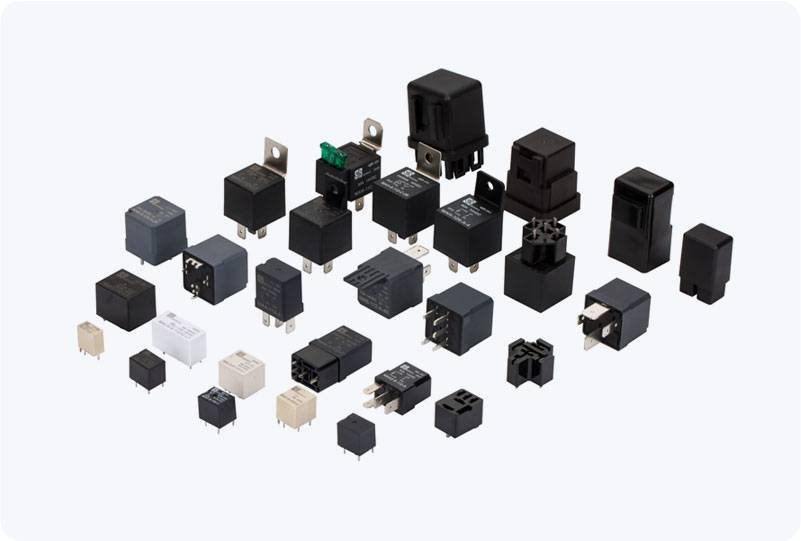
What is a Temperature Control Relay? A temperature control relay is an electrical device designed to control the temperature within a given range by switching electrical circuits on and off. These relays typically work in conjunction with temperature sensors, such as thermistors, thermocouples, or resistance temperature detectors (RTDs), to monitor the temperature of a system or environment. Once the temperature reaches a preset threshold, the relay activates or deactivates the connected load, such as a heater or cooler, to maintain the desired temperature. The primary function of a temperature control relay is to automate temperature regulation without requiring manual intervention. This capability is especially crucial in applications where constant monitoring and adjustment of temperature are necessary to prevent overheating or freezing, ensuring the safety and efficiency of the system.