A Current Overload Relay is a critical component in the electrical protection systems of motors and other electrical devices. Its primary function is to protect electrical circuits and machinery from potential damage caused by excessive current flow. By monitoring the current levels, this relay ensures that equipment is not subjected to conditions that could lead to overheating, failure, or permanent damage. This article delves into the purpose, operation, and importance of current overload relays, shedding light on their role in maintaining the longevity and efficiency of electrical equipment.
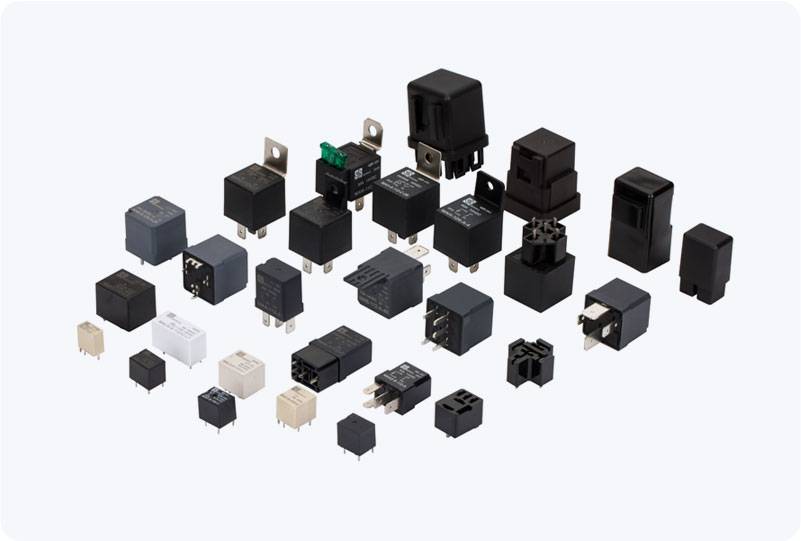
What is a Current Overload Relay? A Current Overload Relay is an automatic protection device that is designed to prevent electric motors and other electrical equipment from drawing excessive current, which can lead to overheating and equipment failure. It works by continuously monitoring the electrical current flowing through a circuit and activating a protective action when the current exceeds a pre-set threshold. The relay then disconnects the power to the equipment, protecting it from overheating and potential permanent damage. This device is especially common in industrial settings, where large motors, compressors, pumps, and other machinery are in operation. A relay typically monitors the current that flows through the motor windings and responds when it detects an overload condition that exceeds the motor’s designed capacity.