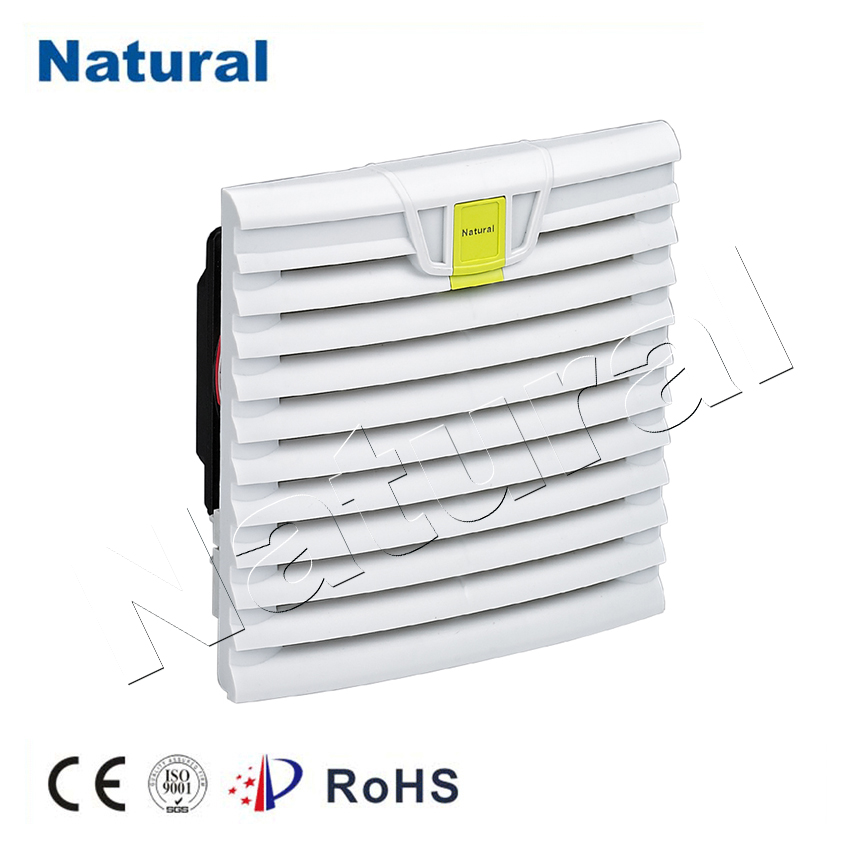
In many industries and everyday applications, fan and filter systems play an essential role in maintaining optimal performance and ensuring the safety and comfort of both machines and individuals. These systems are designed to manage airflow, control temperatures, and filter out pollutants, dust, and other harmful particles. The proper selection, installation, and maintenance of fans and filters are critical to the overall efficiency of many processes, from industrial manufacturing to household ventilation. This article explores the significance of fan and filter systems, their components, and their diverse applications.
The Role of Fans
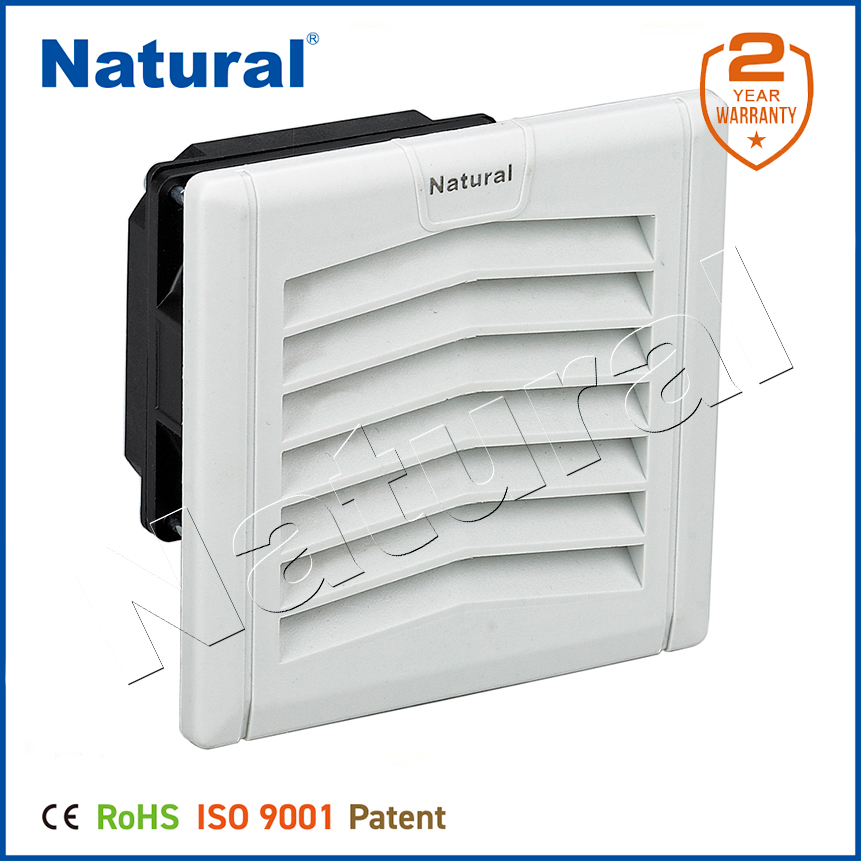
A fan is a mechanical device used to move air or gases to enhance ventilation or cooling. In industrial and commercial settings, fans are employed in various capacities to ensure the movement of air through systems and spaces. The fan works by converting electrical energy into mechanical energy, which propels air or gases in a specific direction. Fans come in various designs, including axial, centrifugal, and mixed-flow, each offering different performance characteristics based on the specific requirements of an application. One of the primary uses of fans is to regulate temperature. For example, in large factories or manufacturing plants, high temperatures generated by machinery or processes can be detrimental to both the workers’ safety and the machinery’s lifespan. Fans provide necessary cooling by ensuring a constant flow of air across the working environment. In electronics and computers, small but powerful fans are used to dissipate the heat generated by components such as processors, graphics cards, and power supplies.