The food industry is one of the most stringent sectors when it comes to safety and quality standards. Among the many crucial components that ensure safe food production and handling, food grade solenoid valves play a significant role in controlling the flow of liquids and gases in food processing systems. These valves are designed to meet the unique hygiene and safety requirements of the food and beverage industry, ensuring that products remain uncontaminated and fit for consumption.
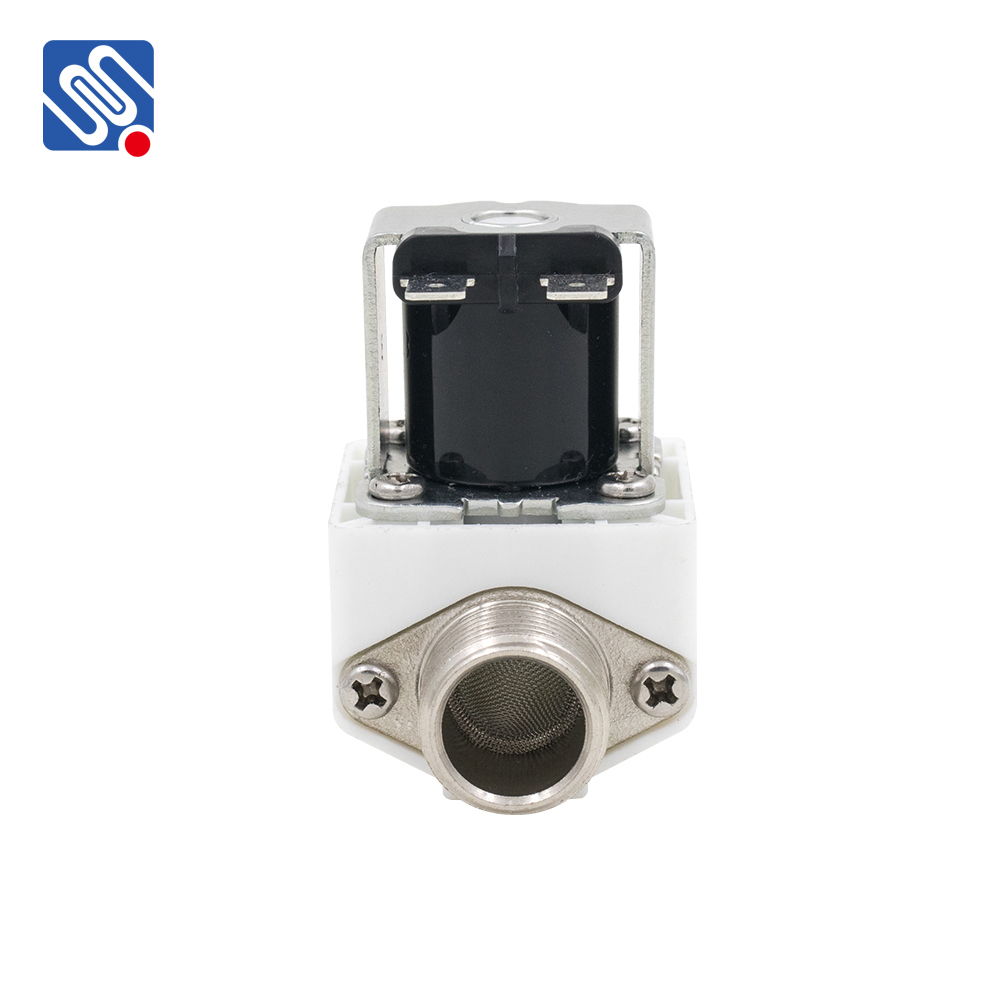
What is a Food Grade Solenoid Valve? A food grade solenoid valve is an electromechanical device that controls the flow of liquids, gases, or steam in a food processing system. These valves are powered by an electric current, which activates a solenoid (an electromagnet), causing the valve to open or close. The critical factor that distinguishes a food grade solenoid valve from other types is its materials and design, which must meet the strict hygiene and safety standards set by regulatory authorities. Food grade solenoid valves are typically made from stainless steel and other corrosion-resistant materials to ensure that they do not contaminate the food or beverage product. Additionally, the valve’s construction is designed for easy cleaning and maintenance to prevent the buildup of harmful bacteria or residues that could compromise food safety.