In the rapidly evolving world of electric vehicles (EVs), the efficiency and safety of electrical systems are pivotal. Among the critical components that ensure both performance and reliability is the Precharge Relay. This seemingly simple device plays a key role in the safe operation of high-voltage systems, enhancing user safety and preventing damage to electronic components. This article delves into the significance of the Precharge Relay for EVs, elucidating its function, design considerations, and impact on vehicle performance.
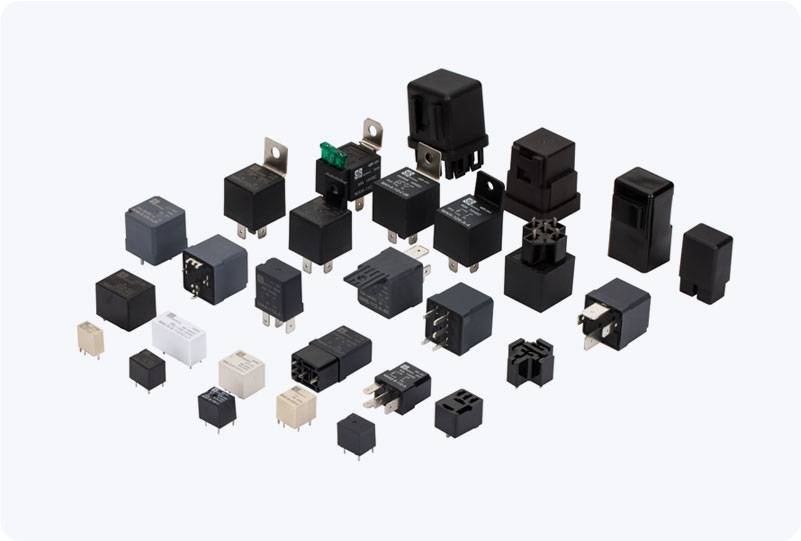
The Function of the Precharge Relay The primary role of the Precharge Relay is to manage the initial connection between the vehicle’s high-voltage battery pack and its power electronics, specifically the motor controller and onboard charger. When an EV is turned on, a surge of electrical current is generated as the battery connects to these systems. This can lead to a rapid influx of voltage and current that could potentially damage sensitive components or create dangerous sparks. To mitigate these risks, the Precharge Relay first engages with a precharge resistor, allowing a controlled amount of current to flow into the motor controller and other essential systems. This process gradually charges the capacitors within the controller, stabilizing the voltage levels before the full connection is made. Once the system reaches a safe voltage threshold, the Precharge Relay closes the circuit fully, allowing normal operation to commence. This staged approach drastically reduces the likelihood of electrical arcing and potential failures in the high-voltage circuit.