In the modern industrial world, environmental sustainability and safety have become increasingly important. Many industries are now required to adhere to regulations that limit the use of hazardous substances in products. One such regulation is the RoHS Directive, which stands for Restriction of Hazardous Substances. A key component in many industrial systems is the solenoid valve, and to ensure that these valves comply with environmental standards, RoHS Compliant Solenoid Valves have been introduced. These valves help meet RoHS guidelines by minimizing the use of hazardous materials in their construction while still offering the same reliable performance.
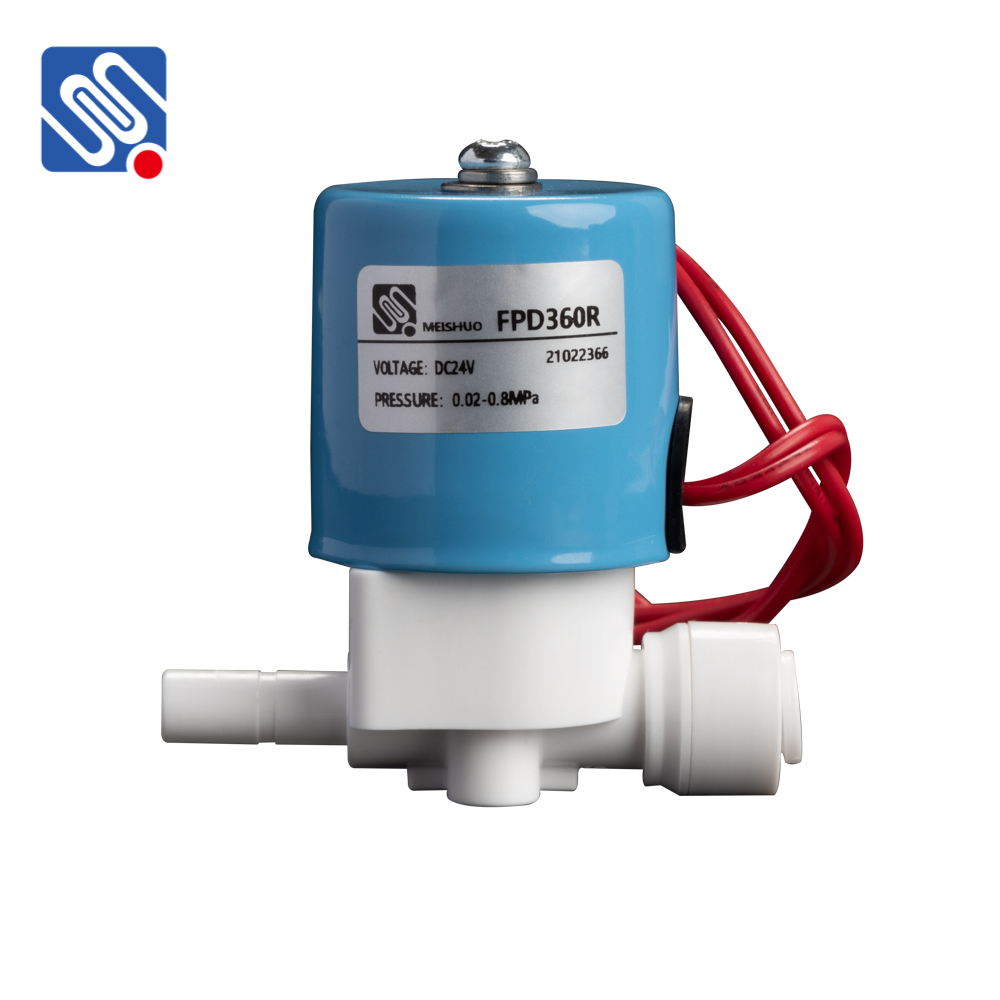
What is a Solenoid Valve? A solenoid valve is an electromechanically operated valve that controls the flow of fluids or gases within a system. It uses a solenoid (an electromagnetic coil) to create a magnetic field that actuates the valve’s opening or closing mechanism. These valves are widely used in numerous industries, such as automation, water treatment, HVAC (heating, ventilation, and air conditioning), automotive, and medical devices. They are essential components in controlling the flow of various substances in complex systems. What Does RoHS Compliance Mean? The RoHS Directive was introduced by the European Union to reduce the environmental impact of electronic and electrical products by limiting the use of certain hazardous substances. RoHS-compliant products must meet strict standards by ensuring they do not contain more than the permitted levels of the following materials: