In industrial and construction environments, the importance of ensuring worker safety cannot be overstated. One of the most critical components in maintaining a secure work environment is the implementation of lockout/tagout (LOTO) procedures. A key element of LOTO systems is the safety lockout padlock, a simple yet highly effective tool used to prevent accidental machine startups during maintenance or repair activities. This article will explore the significance of safety lockout padlocks, their functions, and their role in safeguarding workers and promoting a culture of safety in workplaces.
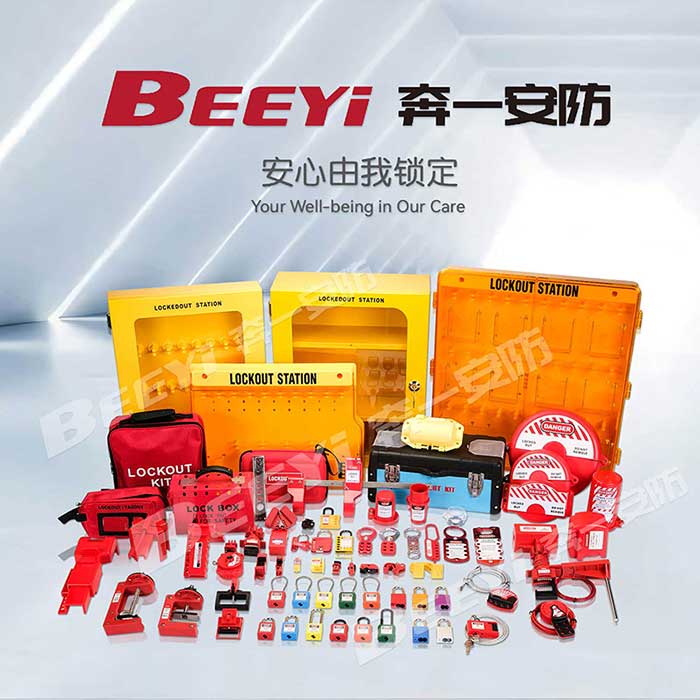
What is a Safety Lockout Padlock? A safety lockout padlock is a lock designed specifically for securing machinery or electrical systems in an off position to prevent them from being turned on while maintenance or repair work is being carried out. These padlocks are typically applied during the lockout/tagout process, where employees lock out hazardous equipment, ensuring that no one can accidentally re-energize it while someone is working on it. The purpose of the safety lockout padlock is not just to secure machinery, but to ensure that the person working on it is the only one who has access to the key, preventing potential accidents caused by other individuals mistakenly activating the equipment.