The starter motor relay, often overlooked in discussions about automotive components, plays a crucial role in the starting system of a vehicle. It serves as a bridge between the battery and the starter motor, allowing the driver to turn the ignition key or press the start button without the need for direct high-current connections to the ignition switch. This article delves into the importance, workings, and maintenance of the starter motor relay.
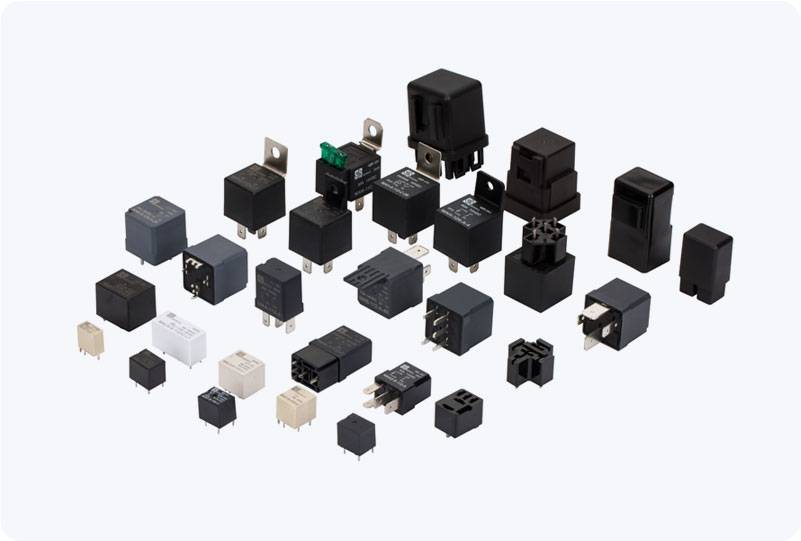
What is the Starter Motor Relay? The starter motor relay is an electromechanical switch that controls the power supplied to the starter motor. Its primary function is to enable the high electrical current required to turn the starter motor while protecting other components of the vehicle’s electrical system. This is particularly important because the startup process requires significantly more current than normal operations. How Does the Starter Motor Relay Work? The operation of the starter motor relay can be broken down into several key steps: Ignition Trigger: When the driver turns the key in the ignition or pushes the start button, a low-voltage signal is sent from the ignition switch to the starter relay.