In today’s industrial landscape, automation plays a critical role in enhancing efficiency and ensuring precision in various processes. One of the essential components that facilitate automation is the Industrial Timer Relay. This device, while seemingly simple, holds significant importance in managing timing functions across numerous applications. This article aims to delve into the intricacies of Industrial Timer Relays, exploring their working principles, features, applications, and selection criteria.
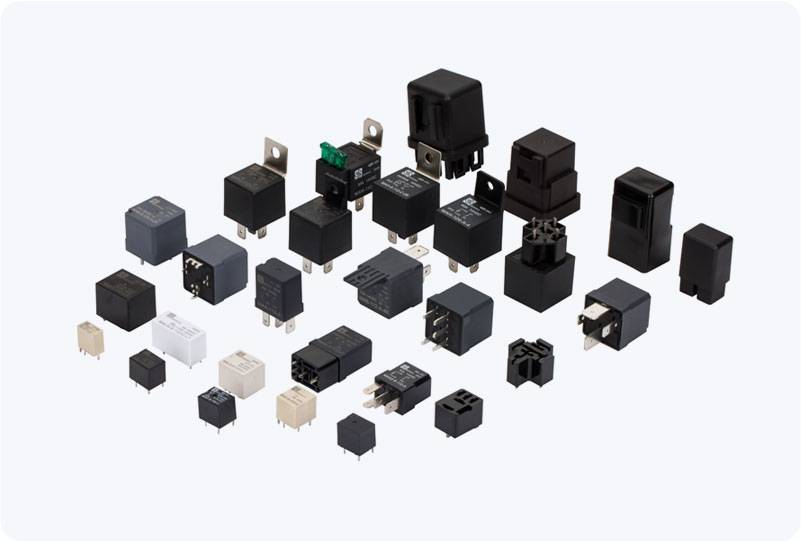
What is an Industrial Timer Relay? An Industrial Timer Relay is an electromechanical device used to control the operation of electrical circuits based on predetermined time intervals. It can be programmed to activate or deactivate circuits after a specific delay, providing crucial timing functions in diverse industrial applications. These relays are widely utilized in manufacturing operations, machinery control, process automation, and many other scenarios where timing is essential. Working Principles The fundamental operation of an Industrial Timer Relay revolves around its timing capability. The relay typically comprises a control circuit that monitors input and output connections and an internal timing mechanism that counts down or counts up based on the selected mode of operation. The common modes of operation include: