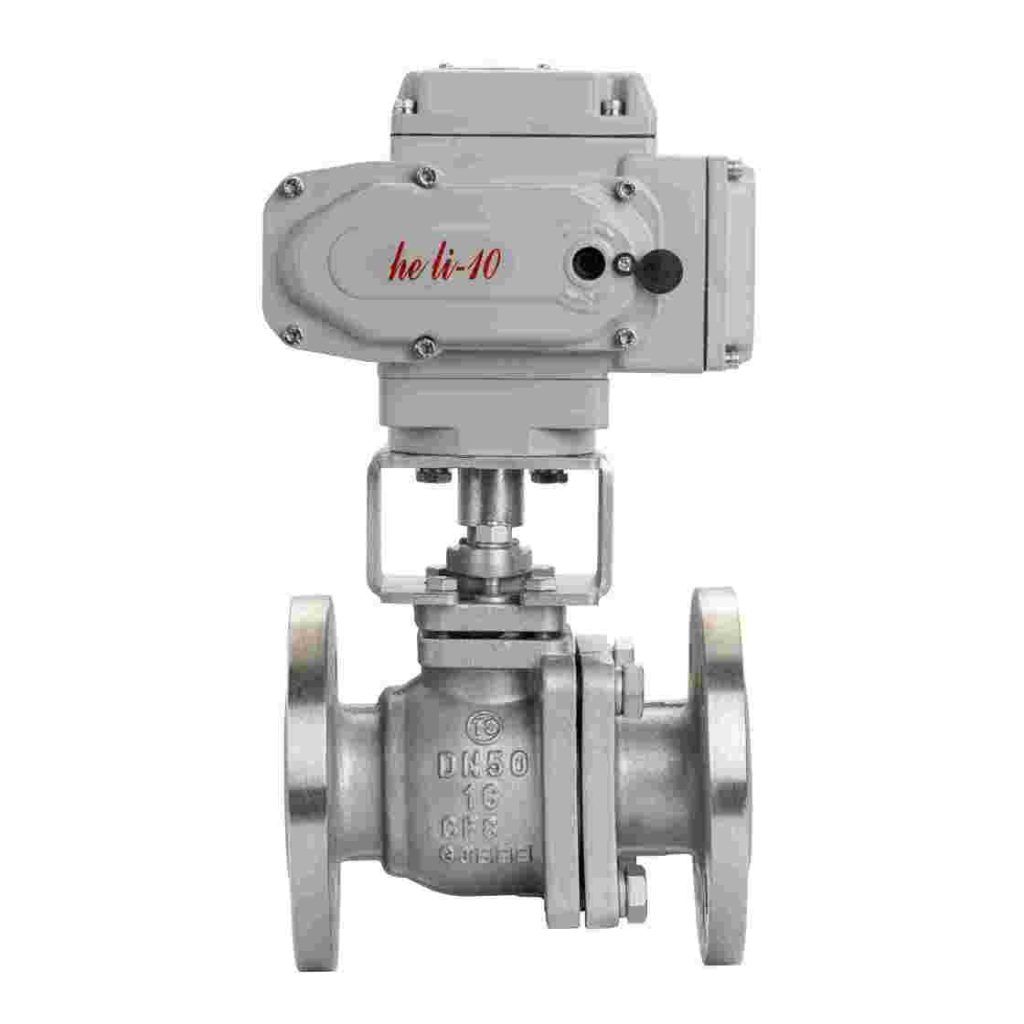
In today’s industrial landscape, the demand for reliable and efficient fluid control systems has never been higher. Among the various solutions available, the lithium battery electric anti-corrosion ball valve has emerged as a game-changer, particularly in applications involving corrosive substances. This innovative valve combines advanced materials, electric actuation, and the efficiency of lithium battery technology, creating an essential tool for industries such as chemical processing, water treatment, and oil and gas. This article delves into the design, functionality, advantages, and application of lithium battery electric anti-corrosion ball valves.
Design and Structure
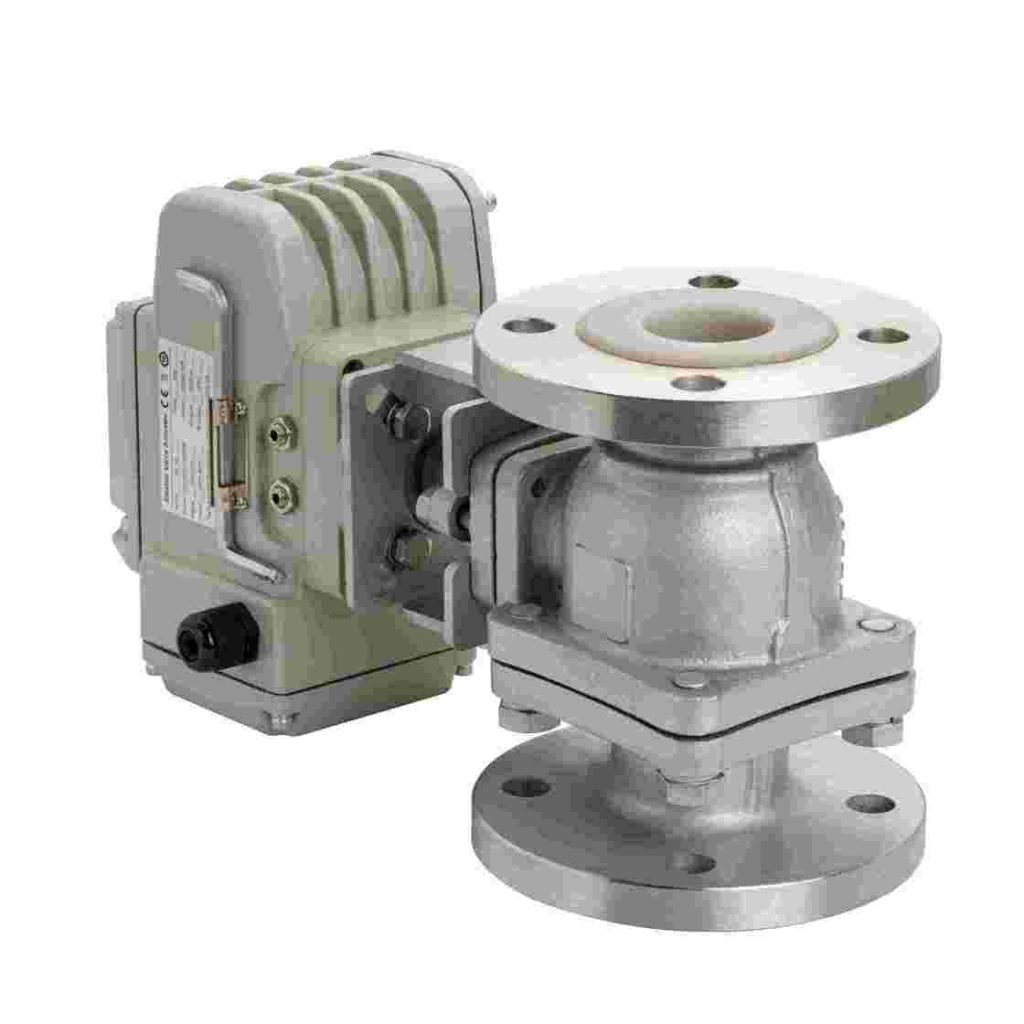
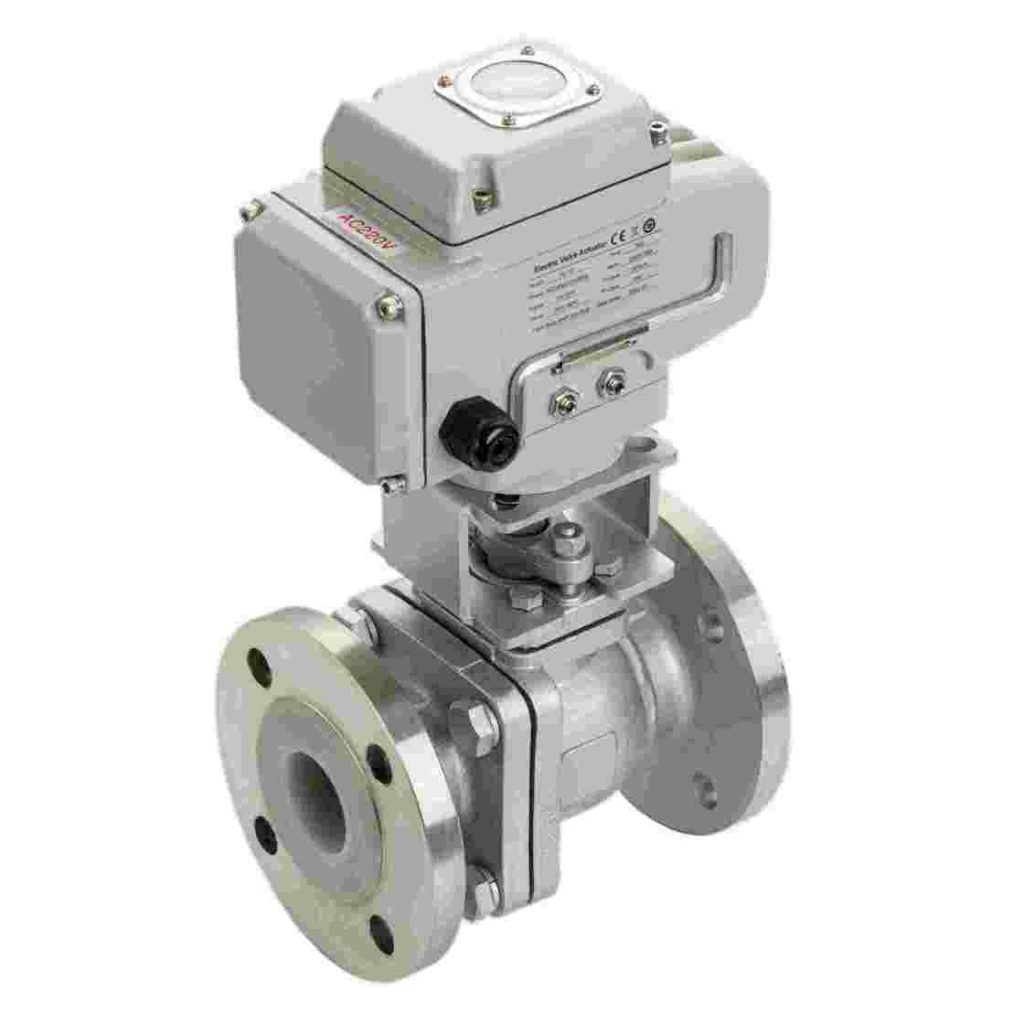
A typical lithium battery electric anti-corrosion ball valve is made up of several essential components: the valve body, the ball, the electric actuator, and the power source. The valve body is constructed from high-performance anti-corrosive materials, such as polytetrafluoroethylene (PTFE), polypropylene (PP), or specialized stainless steel, ensuring that it can withstand the aggressive nature of many chemical fluids. The ball, positioned at the core of the valve, features a bore that aligns with the pipeline when in the open position. It rotates 90 degrees to achieve a tight seal when closed. The electric actuator, powered by a lithium battery, drives the valve’s operation, either through a manual switch or an automated control system.