The Optocoupler Protected Relay Module is an essential electronic component widely used in various applications where electrical isolation and protection between low-voltage control circuits and high-voltage power circuits are required. By integrating a relay and an optocoupler (or optical isolator), this module provides the necessary isolation to safeguard sensitive electronics from harmful voltage spikes or surges. This article explores the functionality, working principles, applications, and benefits of the Optocoupler Protected Relay Module.
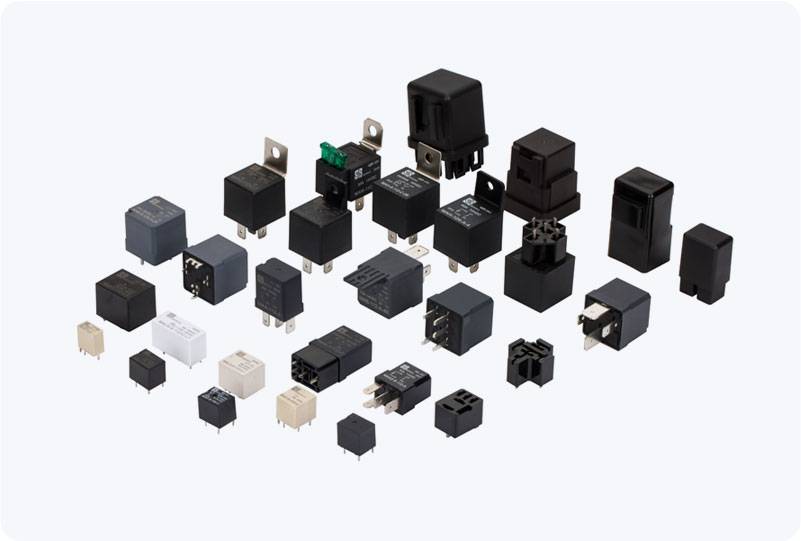
What is an Optocoupler Protected Relay Module? At its core, the Optocoupler Protected Relay Module combines two important elements: a relay and an optocoupler. A relay is an electrically operated switch that allows a low-voltage signal to control high-voltage circuits, while an optocoupler provides isolation by transferring signals between electrical circuits using light. The integration of these components makes the module an ideal solution for switching high-voltage loads without directly exposing low-voltage control circuits to the dangers of high-voltage spikes. The optocoupler, or optical isolator, is used to isolate the low-voltage control circuitry from the high-voltage side. It works by converting an electrical signal into a light signal, which is transmitted across a small gap to an output photo-detector, which then converts the light back into an electrical signal. This ensures that electrical noise, voltage spikes, or other electrical disturbances from the high-voltage side do not affect the low-voltage control circuits.