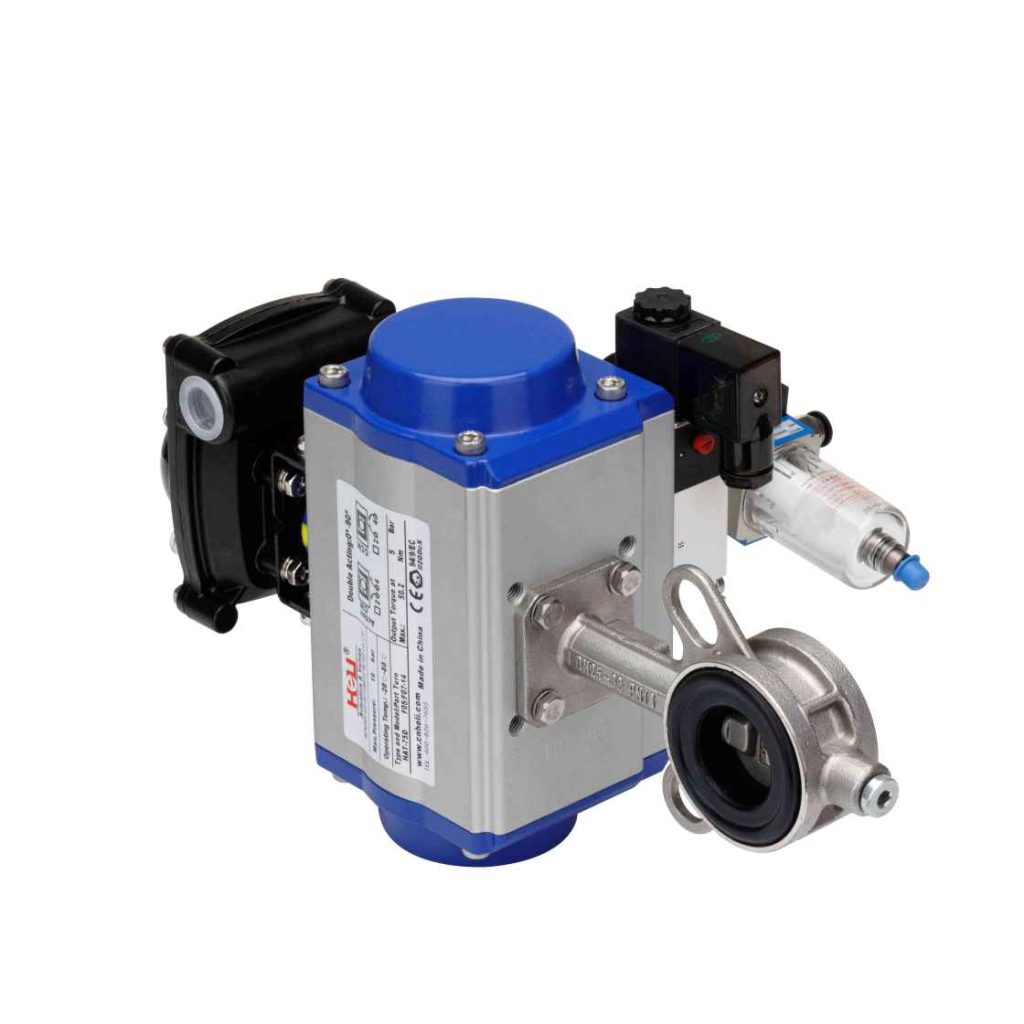
In the world of fluid control systems, valves play a crucial role in regulating the flow, pressure, and temperature of various media. Among the myriad types of valves, the pneumatic butterfly valve has emerged as a popular choice, particularly in applications requiring efficient fluid management. This article aims to provide a comprehensive overview of the pneumatic butterfly valve, detailing its functionality, benefits, and diverse applications across different industries.
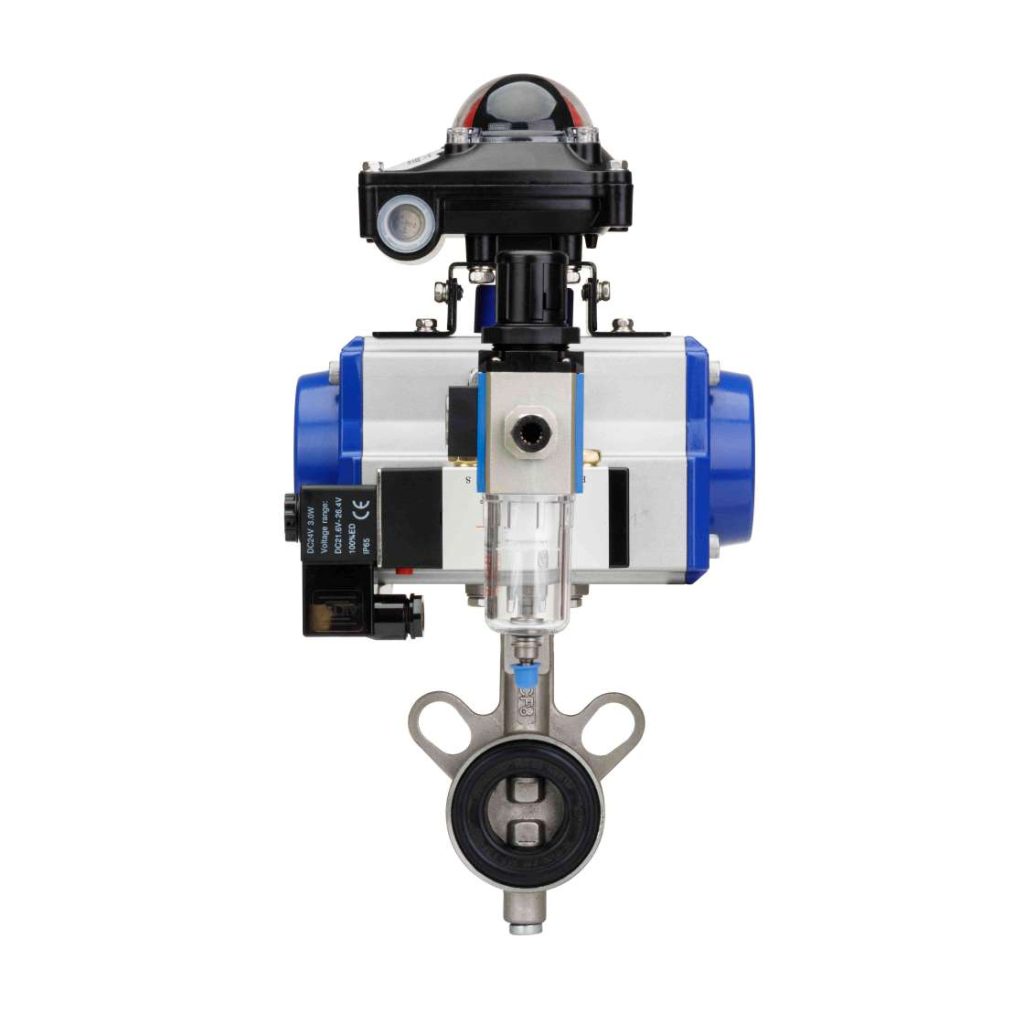
What is a Pneumatic Butterfly Valve?
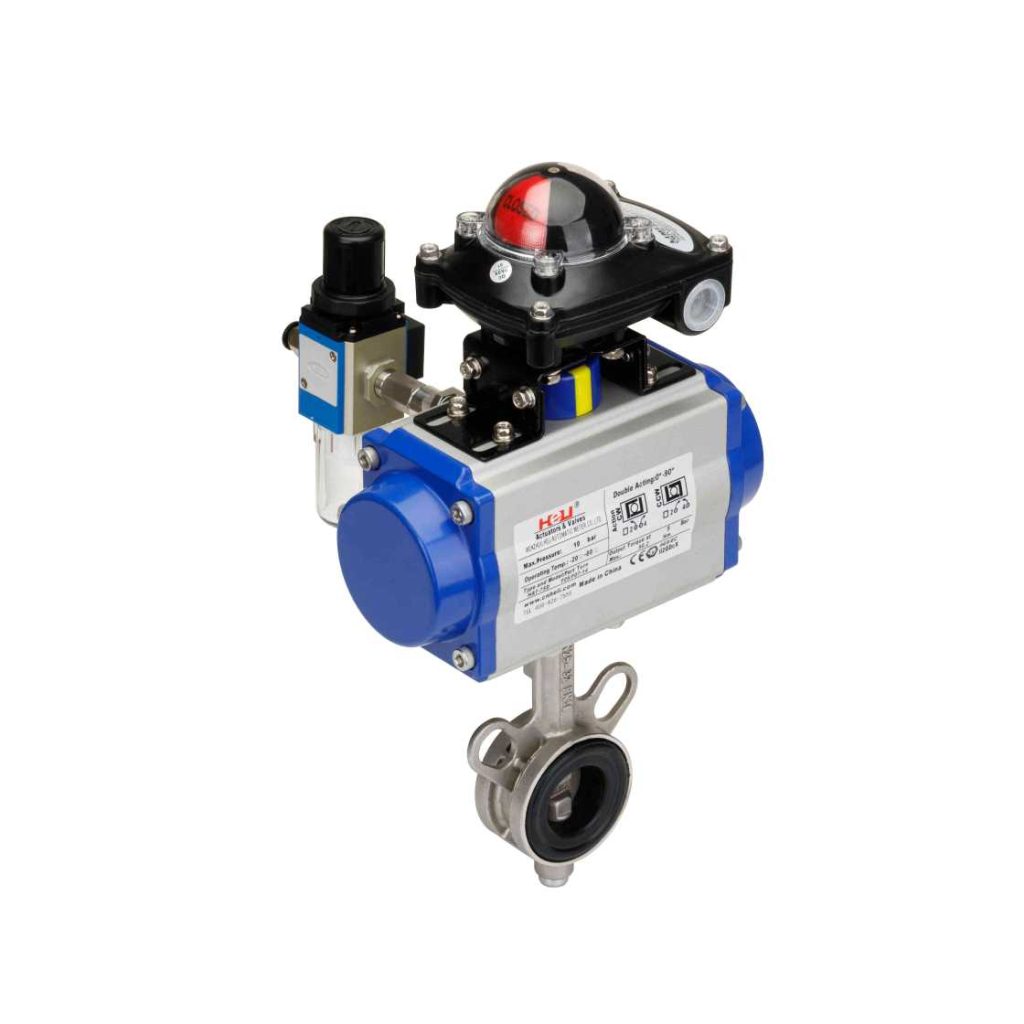
A pneumatic butterfly valve is a type of valve that uses a rotating disc, known as a butterfly, to control the flow of fluid through a pipe. The valve consists of a few key components: the valve body, the disc (or butterfly), the valve shaft (or stem), and the pneumatic actuator. When the actuator receives a signal, it generates a rotating motion in the shaft, causing the disc to rotate either parallel or perpendicular to the flow of fluid. This rotating motion effectively opens or closes the valve, thus managing the flow rate and direction. Working Principle The working principle of a pneumatic butterfly valve relies on its unique design. The disc is mounted on a shaft that runs through the center of the valve body. When the actuator applies pneumatic pressure, it drives the shaft to rotate the disc. In a fully open position, the disc is parallel to the direction of flow, allowing for maximum fluid passage. Conversely, rotating the disc to a perpendicular position helps to obstruct the flow, closing the valve.