In the realm of automation and electrical engineering, the Relay Control System stands as a fundamental component utilized across various industries. This system leverages the operational prowess of relays — electromagnetic switches — to manage and control electrical circuits. The versatility and reliability of relay control systems make them essential in applications ranging from industrial machinery to home automation, enhancing efficiency and safety.
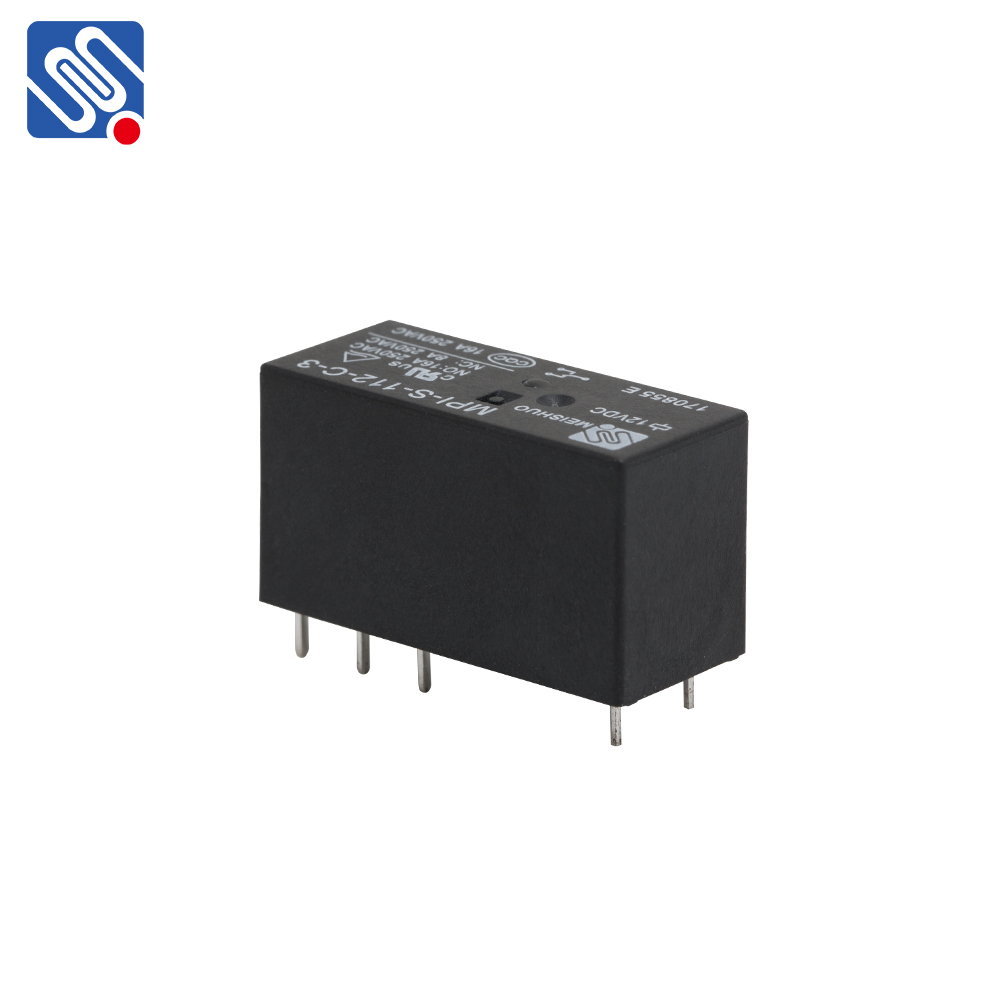
What is a Relay? A relay is a device that opens or closes a circuit by using a low-power signal to control a higher-power circuit. Typically, it consists of an electromagnet, an armature, and a set of contacts. When an electric current flows through the relay’s coil, it generates a magnetic field that attracts the armature, causing it to move and either connect or disconnect a circuit. There are several types of relays, including electromechanical relays, solid-state relays, and time-delay relays, each serving specific functions and applications. Components of a Relay Control System A typical Relay Control System comprises several key components: