The Relay Control System is an essential component in many industries, offering an efficient way to control electrical circuits. This system uses relays to manage power and automate operations in a wide range of electrical applications. In this article, we will explore the basic principles, components, working mechanism, and the advantages of relay control systems, along with some of their typical applications.
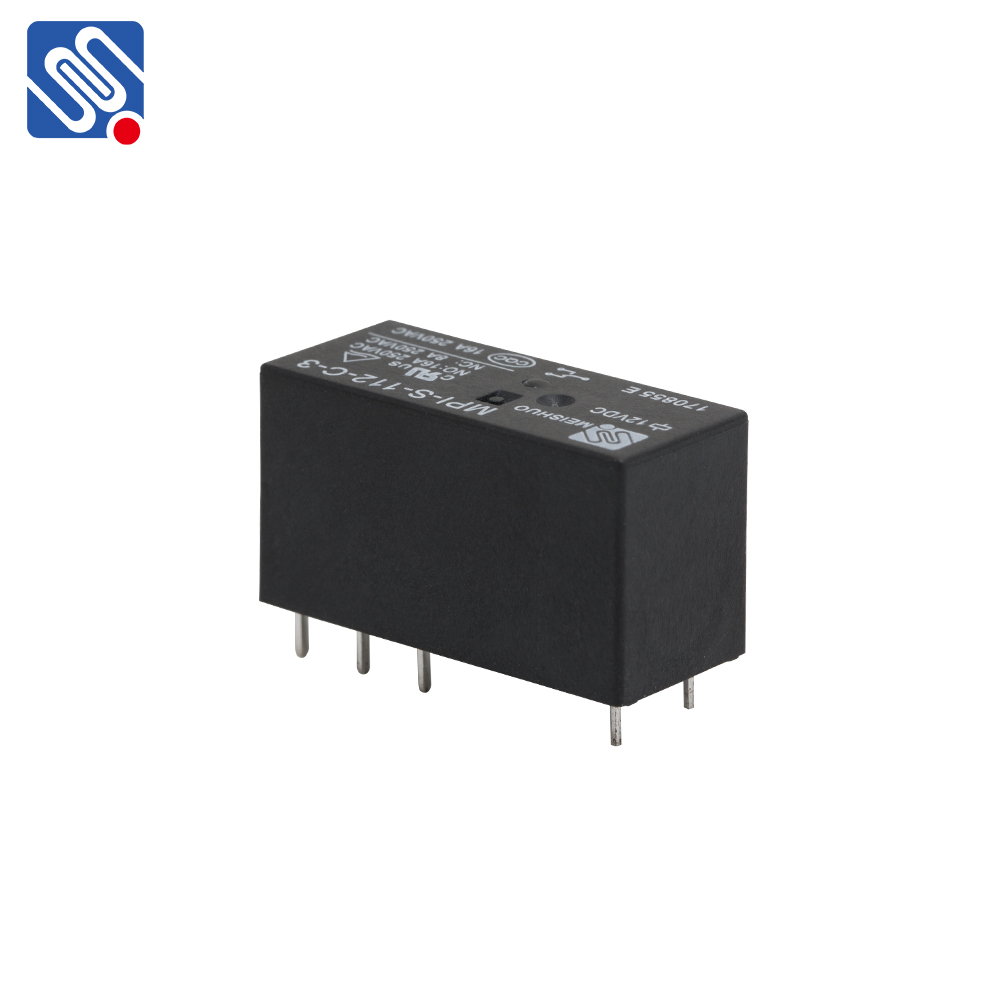
What is a Relay Control System? At its core, a Relay Control System is an electromechanical system that utilizes relays to control the operation of electrical devices. A relay itself is an electrically operated switch that opens or closes a circuit by using an electromagnet to move its contacts. When a relay coil is energized, the magnetic field it generates pulls the relay’s contacts together or pulls them apart, depending on the design of the relay. This action enables control over high-power devices with the use of low-power signals. Key Components of a Relay Control System A typical relay control system consists of several key components: