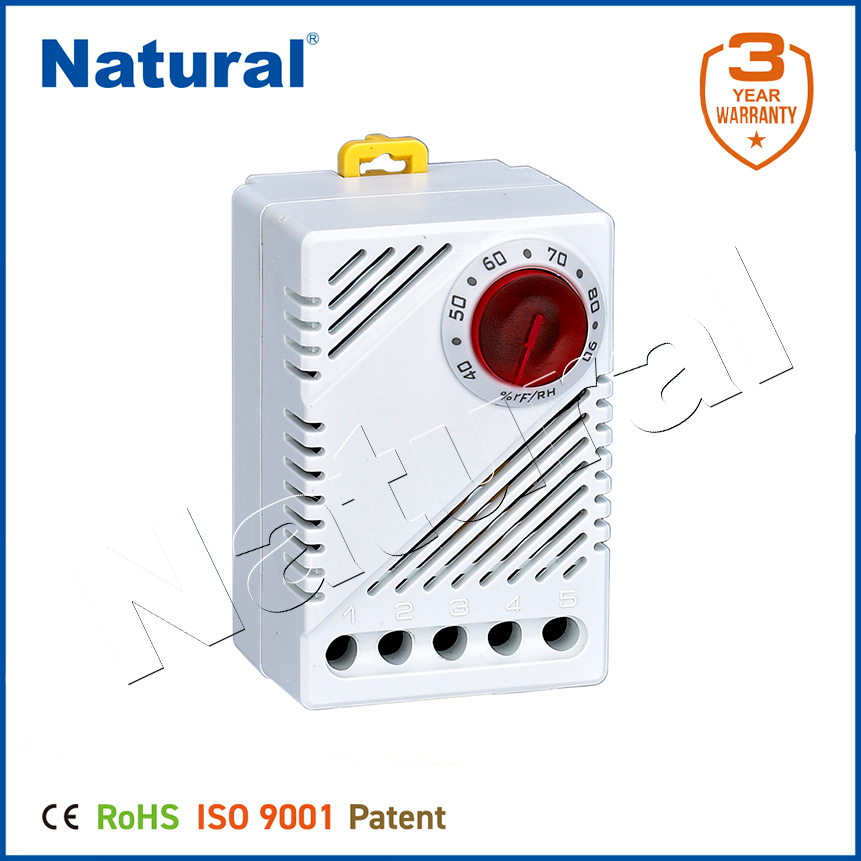
An electronic hygrostat is a sophisticated device designed to regulate and maintain the humidity levels in various environments. It plays a critical role in numerous industries, from HVAC systems to greenhouse management and even in home appliances. This article delves into the functionality, applications, and advantages of electronic hygrostats, shedding light on their importance in achieving optimal environmental control.
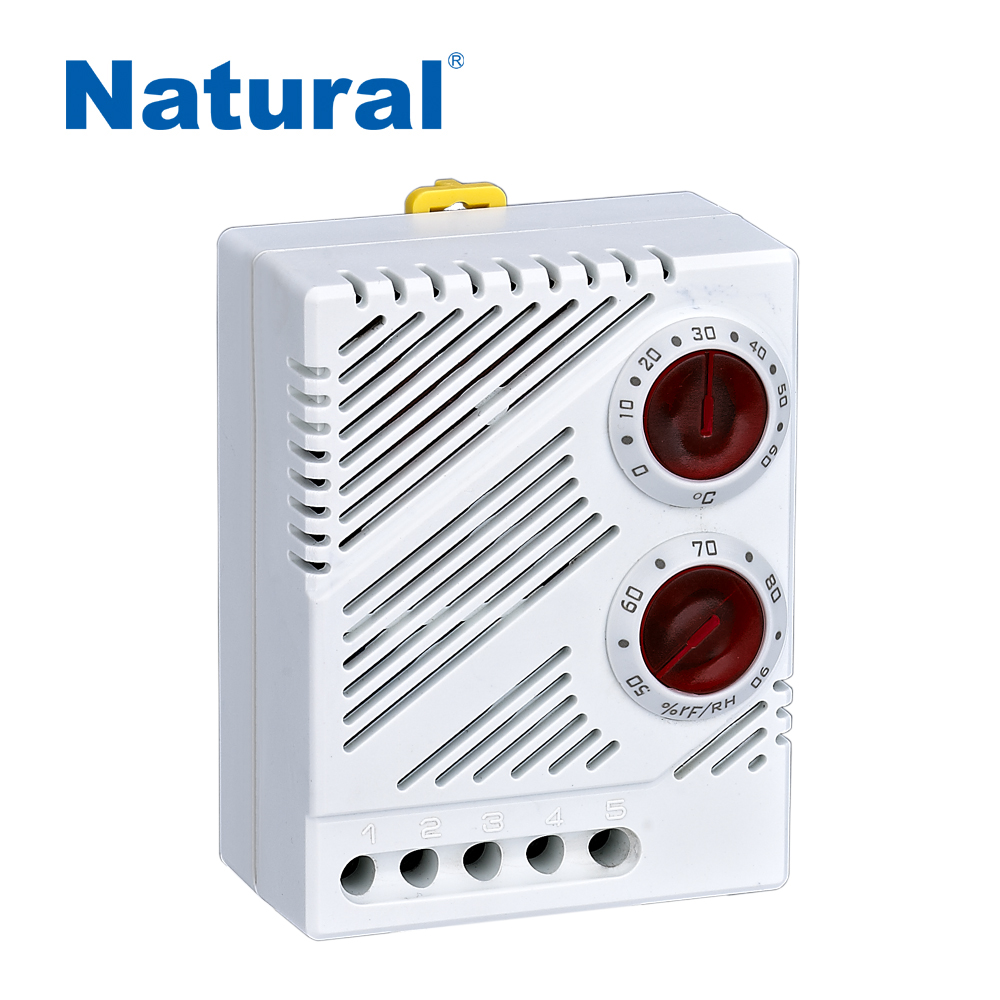
What is an Electronic Hygrostat?
An electronic hygrostat is a device used to measure and control the relative humidity (RH) in the air. It operates by sensing changes in the humidity level and then activating a mechanism to either add moisture to the air or remove excess moisture to maintain a preset humidity level. Unlike traditional mechanical hygrostats, which use mechanical switches, electronic hygrostats rely on advanced sensors and microelectronics for enhanced accuracy and efficiency. These devices are typically integrated with systems such as humidifiers, dehumidifiers, air conditioners, or heating systems. The control offered by electronic hygrostats ensures that humidity levels stay within a specified range, which is crucial for preserving both human comfort and the integrity of various materials and equipment.