Reverse Osmosis (RO) systems are widely used in water purification to remove impurities and contaminants from water, providing clean, safe drinking water. A critical component in the operation of these systems is the Reverse Osmosis Solenoid Valve, which plays a key role in controlling the flow of water and maintaining the efficiency of the entire system. In this article, we will explore the purpose, functionality, and applications of the Reverse Osmosis Solenoid Valve and how it contributes to the effectiveness and reliability of RO water treatment systems.
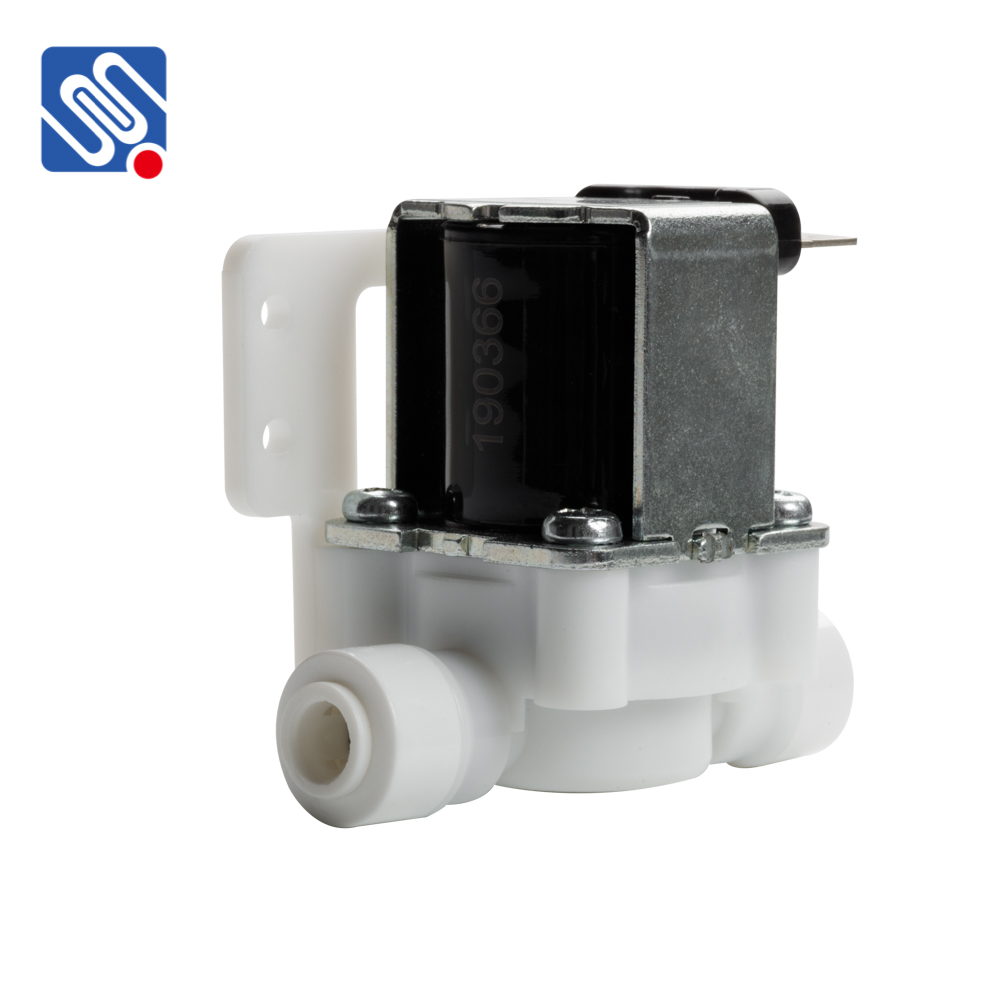
The Function of Reverse Osmosis Solenoid Valve A solenoid valve is an electromechanically operated valve that uses an electromagnetic coil to control the flow of water. In an RO system, this valve is essential for regulating the water supply and waste discharge, ensuring that the system works in an automated and efficient manner. The main function of a Reverse Osmosis Solenoid Valve is to control the flow of water through the RO unit. This control is achieved by either opening or closing the valve, depending on the need for water in different stages of the filtration process. For instance, during the filtration process, the valve ensures that only clean water moves through the membrane while waste and impurities are directed to a separate line.