In modern automotive and electrical systems, the Battery Main Positive Relay plays a crucial role in managing the flow of electrical energy between the battery and the vehicle’s electrical components. Although it may appear as just a simple relay, it performs a variety of vital functions that help ensure the efficiency, safety, and longevity of the battery and the entire electrical system. This article will explore the function, importance, and applications of the Battery Main Positive Relay in different contexts, from electric vehicles (EVs) to heavy machinery.
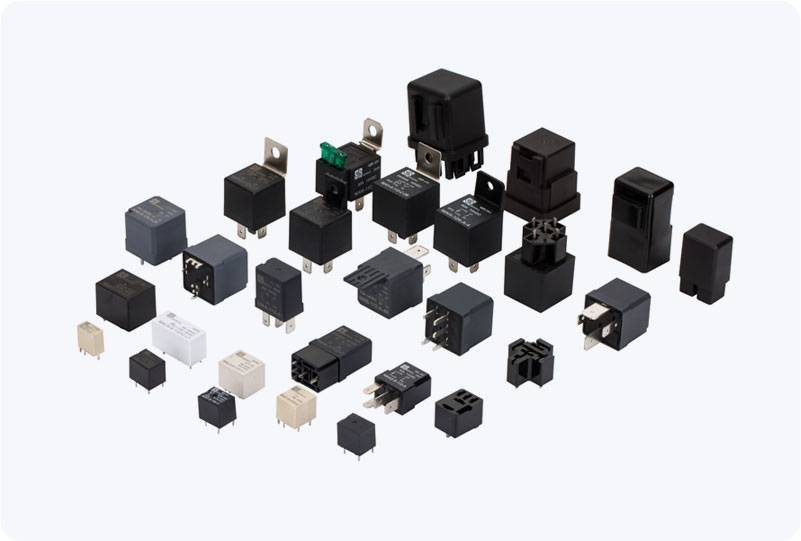
What is a Battery Main Positive Relay? A Battery Main Positive Relay is an electrical component that controls the flow of electrical current from the positive terminal of a battery to the rest of the electrical system. It is typically used in automotive, industrial, and electric vehicle (EV) applications. The relay acts as a switch that connects or disconnects the positive side of the battery to the rest of the system based on certain conditions, often managed by a battery management system (BMS). Key Functions and Roles Current Flow Control The primary function of the Battery Main Positive Relay is to manage the flow of electricity from the battery to the system. When the vehicle or machine is in operation, the relay is closed, allowing current to flow freely from the battery to power the system. When the system is turned off or during periods of inactivity, the relay opens, disconnecting the battery and preventing unnecessary discharge.