In various industrial applications, the need for efficient and reliable fluid control systems is paramount. Among the many types of valves used for fluid control, the Stainless Steel Electric Pinch Valve has emerged as a popular choice due to its unique design and functionality. This article aims to provide an in-depth understanding of the stainless steel electric pinch valve, exploring its design, working principles, applications, and advantages.
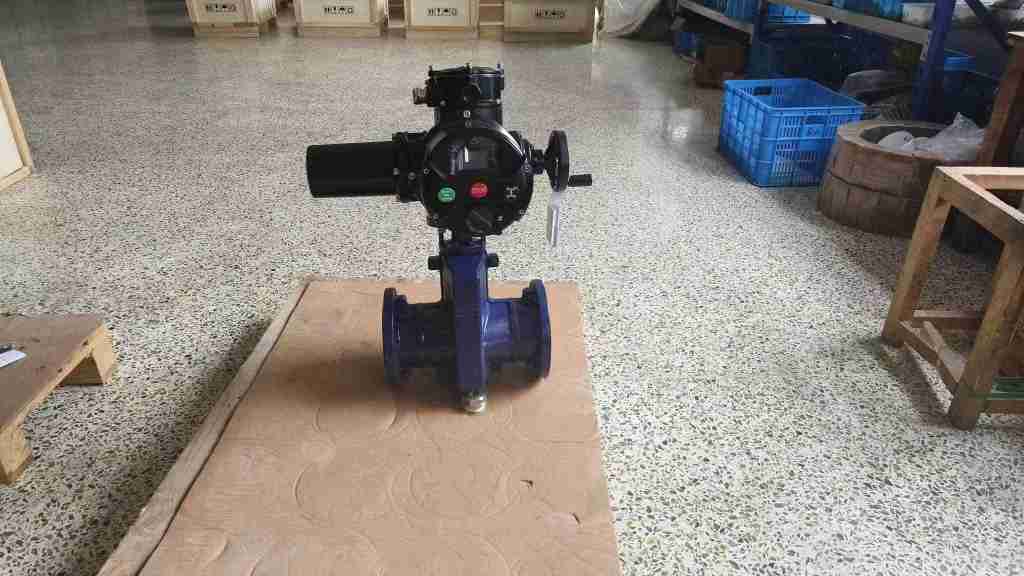
Design and Construction A stainless steel electric pinch valve consists of two main components: an outer body made of stainless steel and an inner flexible tubing or membrane. The stainless steel construction provides excellent corrosion resistance and durability, making it an ideal choice for harsh environments. The valve’s design includes a mechanism that compresses the flexible tubing when activated, which is crucial for controlling the flow of fluids. The inner tube, typically made from elastomers or flexible materials, acts as the flow passage. When the valve is closed, the electric actuator compresses the membrane, creating a seal that prevents fluid from passing through. When the valve opens, the actuator releases the pressure, allowing the flexible tubing to return to its original shape and enabling fluid flow. This simple yet effective mechanism allows for precise control over the flow rate and pressure.