The Vacuum Arc Extinguishing Relay (VAER) is a pivotal technology in modern electrical systems, particularly in high-voltage applications. It plays an essential role in protecting electrical circuits from damage caused by faults such as short circuits and overcurrents. By utilizing the unique properties of vacuum for arc quenching, this device enhances both the reliability and lifespan of electrical equipment. This article explores the working principles, features, advantages, and applications of the Vacuum Arc Extinguishing Relay.
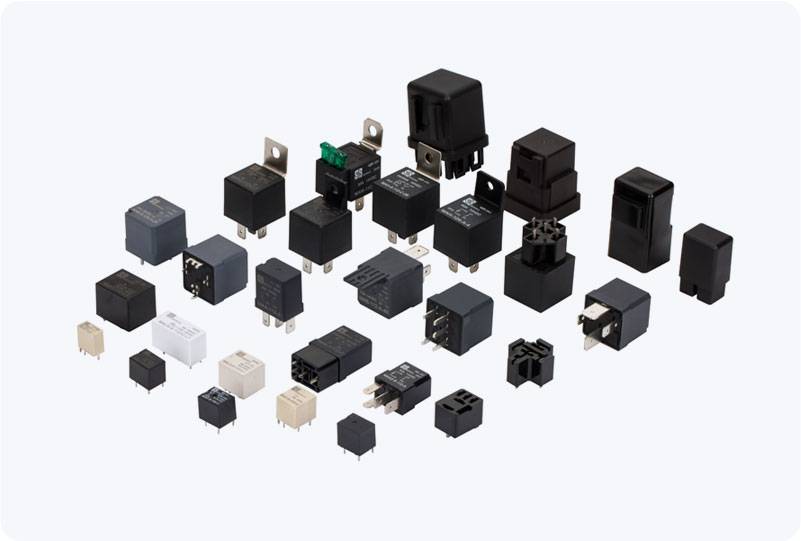
What is a Vacuum Arc Extinguishing Relay? A Vacuum Arc Extinguishing Relay is a type of circuit breaker designed to interrupt the flow of electricity in the event of a fault. Unlike traditional circuit breakers that rely on air or oil as the medium for arc extinction, the Vacuum Arc Extinguishing Relay uses a vacuum as its arc-quenching medium. The vacuum inside the relay chamber significantly increases the dielectric strength, making it more efficient in extinguishing electrical arcs formed during switching operations. When an electrical fault occurs, such as a short circuit, the relay opens the circuit. This causes an electric arc to form between the contacts. The vacuum in the relay chamber, with its high insulating properties, quickly suppresses the arc and prevents it from sustaining itself. This fast and efficient arc extinguishing process reduces the risk of damage to both the circuit and the equipment connected to it.