The Water Solenoid Valve is an essential component in various fluid control systems, playing a critical role in automating the flow of water in residential, commercial, and industrial applications. By leveraging electromagnetic technology, these valves provide efficient and reliable solutions for managing liquid flow, enhancing convenience and operational safety. This article delves into the functionality, applications, and benefits of water solenoid valves, highlighting their significance in modern engineering and automation.
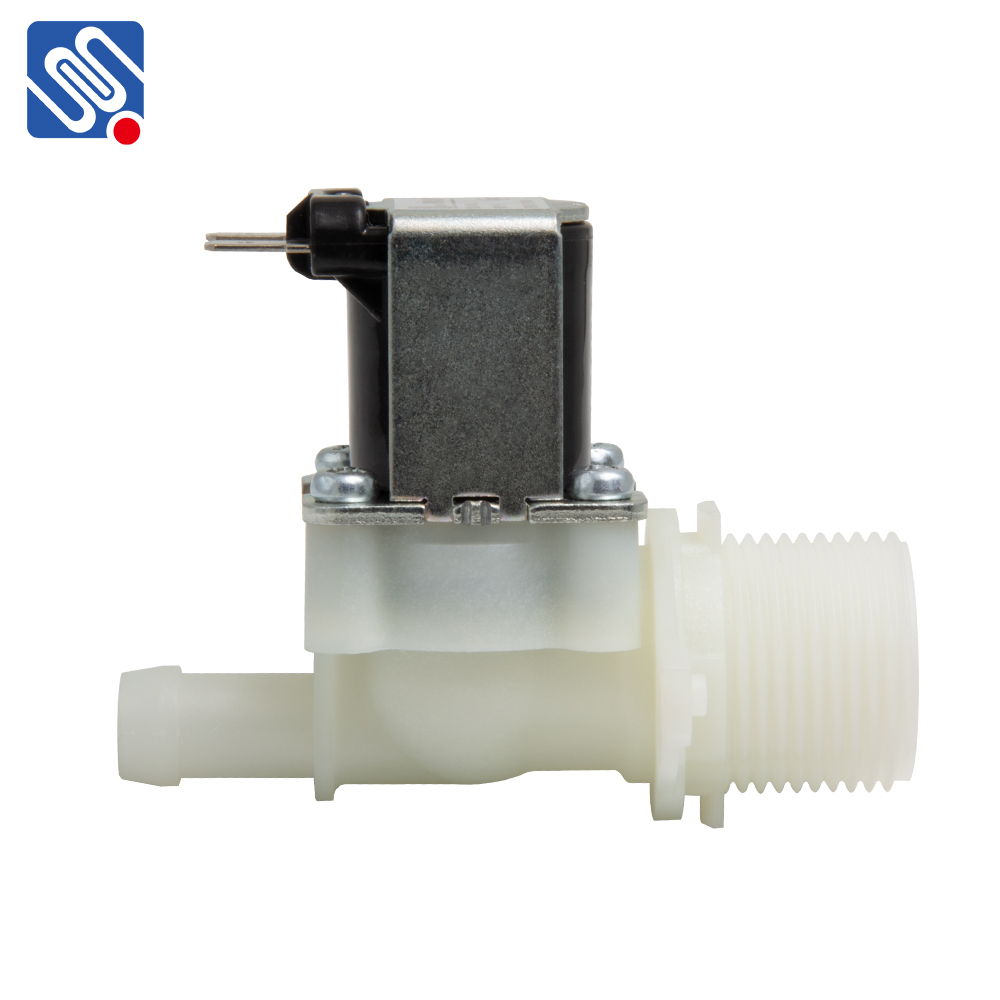
What is a Water Solenoid Valve? A water solenoid valve is an electromechanical device that controls the flow of water through a piping system. It consists primarily of an electric coil, a valve body, and a moveable plunger or diaphragm. When electrical current is applied to the coil, a magnetic field is generated, causing the plunger to move and either open or close the valve, thus allowing or preventing water flow. This automated functioning eliminates the need for manual operation, making it an indispensable tool in various applications. Functionality of Water Solenoid Valves The operation of a water solenoid valve can be classified into two types: normally closed (NC) and normally open (NO).