A watering system solenoid valve plays a pivotal role in modern irrigation systems, acting as a crucial component that helps regulate the flow of water to plants, lawns, gardens, and agricultural fields. These valves are automated, energy-efficient, and reliable, making them a popular choice for both residential and commercial irrigation systems. In this article, we will explore the working principle, features, advantages, and applications of watering system solenoid valves, and why they are essential for efficient water management.
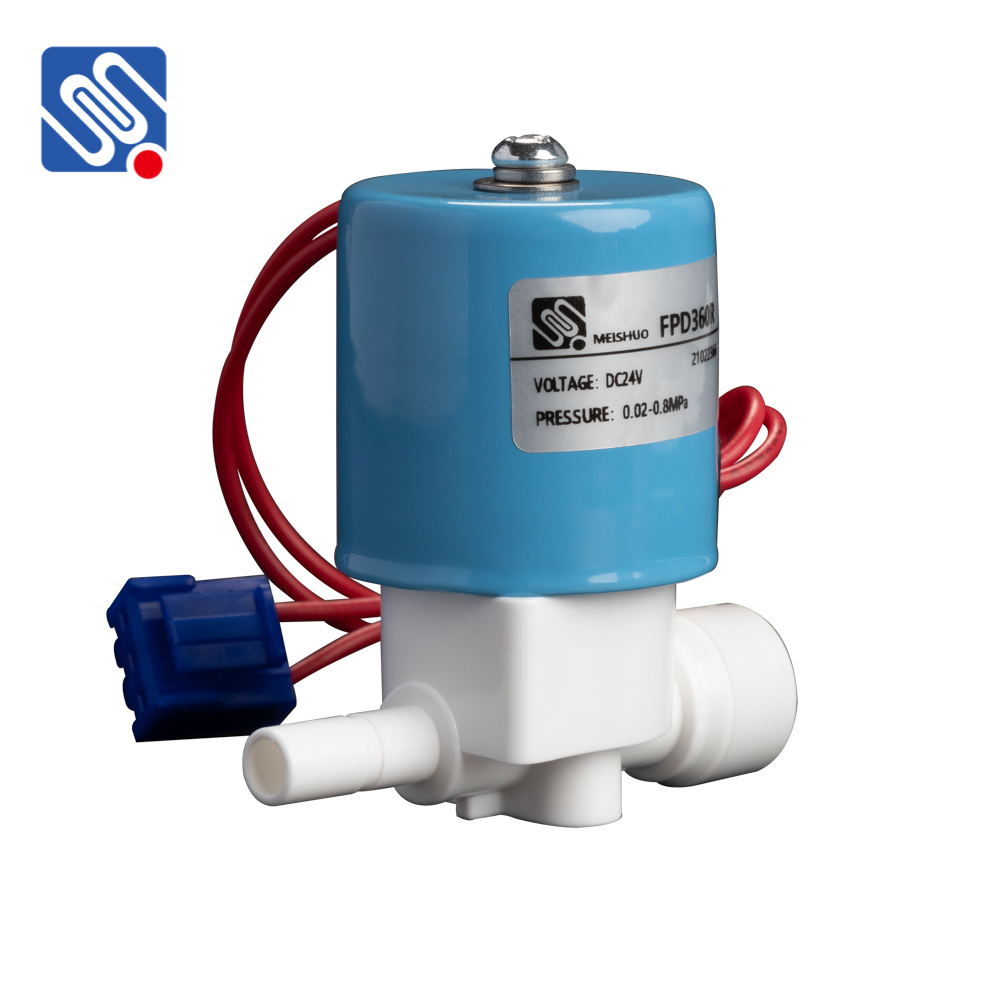
What is a Watering System Solenoid Valve? At its core, a watering system solenoid valve is an electrically operated valve that controls the flow of water within an irrigation system. The term “solenoid” refers to an electromagnetic device that controls the opening and closing of the valve. The solenoid valve uses an electromagnet to move a piston or diaphragm, which either opens or closes the valve, depending on the electrical signal received. Solenoid valves are commonly found in automatic irrigation systems, where they are used to control the watering schedule based on preset timers or sensors. They are essential for regulating the water supply to various zones of the irrigation system, ensuring that plants receive the right amount of water at the right time.