Irrigation plays a pivotal role in agriculture, horticulture, and landscaping, ensuring that plants receive the necessary water for growth and vitality. Among the various components that facilitate efficient watering, the Watering System Solenoid Valve is a crucial element. This article delves into the workings, advantages, applications, and factors to consider when selecting a solenoid valve, highlighting its significance in modern irrigation systems.
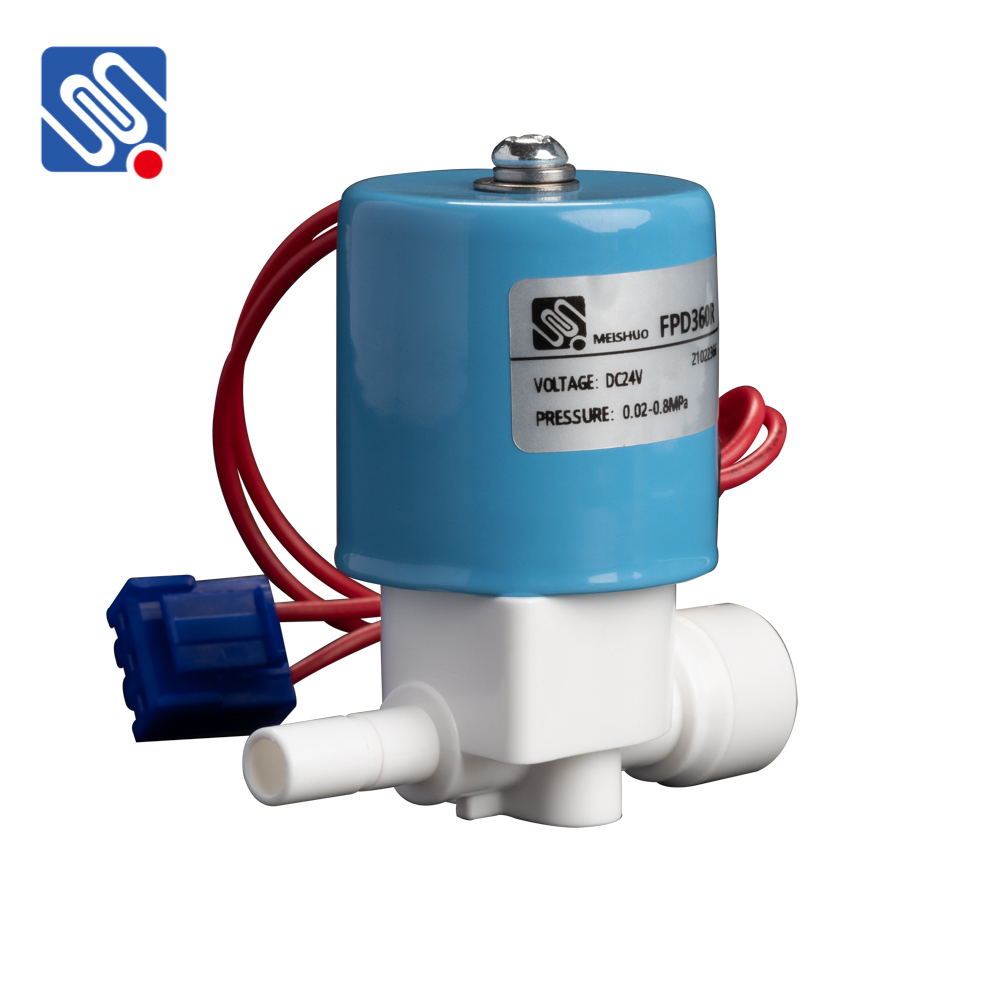
What is a Watering System Solenoid Valve? A Watering System Solenoid Valve is an electrically operated valve used to control the flow of water in irrigation systems. At its core, a solenoid valve consists of an electromagnet (the solenoid) and a valve body. When an electric current flows through the solenoid, it generates a magnetic field that causes the valve to either open or close, regulating the water flow. This function allows for automated watering solutions, making it a preferred choice for both residential gardens and large agricultural fields. How Does It Work? The operation of a solenoid valve is relatively straightforward. There are two main types: normally closed (NC) and normally open (NO).