Electromagnetic relays are essential components in electrical and electronic systems, offering a reliable and cost-effective solution for controlling circuits remotely. These devices leverage the principle of electromagnetism to switch electrical circuits on or off, allowing for automation, protection, and signal transmission. This article provides an in-depth exploration of electromagnetic relays, including their working principle, key components, types, and wide-ranging applications.
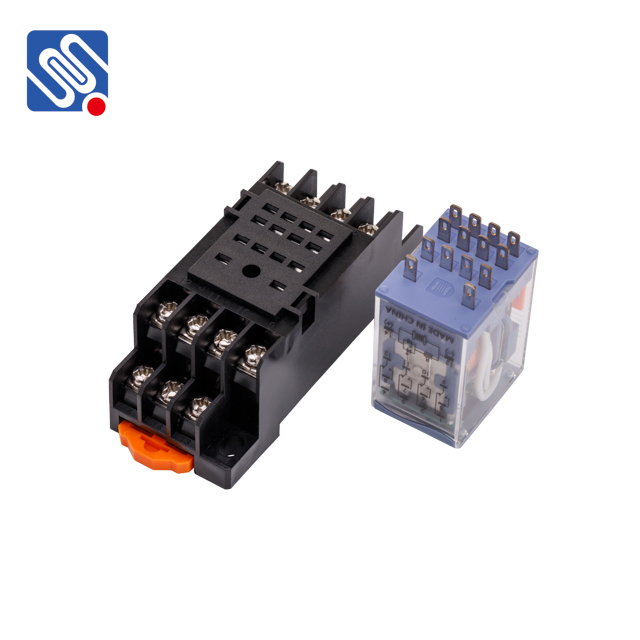
Working Principle of Electromagnetic Relays An electromagnetic relay operates based on the principle of electromagnetism, where electric current passing through a coil generates a magnetic field. This magnetic field attracts a movable armature that is connected to a set of contacts. The movement of the armature results in the opening or closing of these contacts, allowing the relay to control the flow of electricity in a circuit. When the coil is energized, the armature is pulled toward the coil, causing the contacts to either close or open, depending on the relay’s design. Once the current to the coil is interrupted, the armature is released, and the contacts return to their original positions, restoring the circuit to its previous state.