Electromagnetic relays are essential components in modern electrical and electronic systems, offering a reliable means of controlling circuits remotely. As simple yet highly effective devices, electromagnetic relays serve as switches that can be used to either open or close an electrical circuit based on a signal input. In this article, we will explore the working principle of electromagnetic relays, their main components, and the broad range of applications in which they are used.
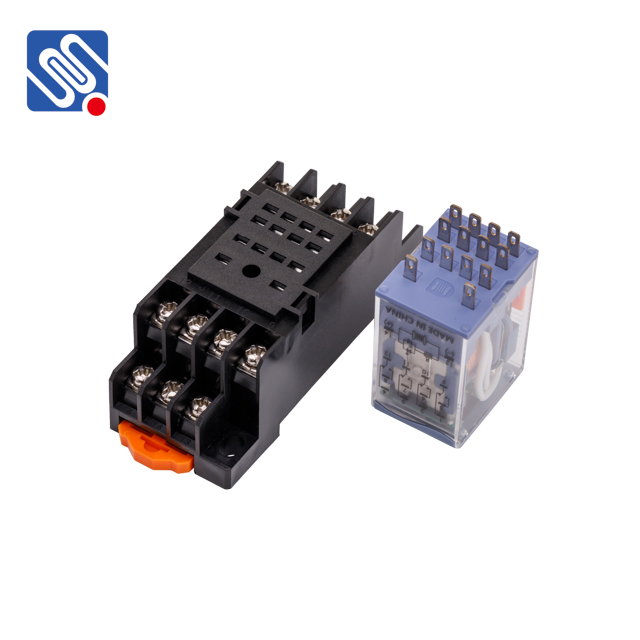
What is an Electromagnetic Relay? An electromagnetic relay is an electrically operated switch that uses the magnetic field generated by a current-carrying coil (the relay’s electromagnetic component) to control the state of the contacts in a separate circuit. The relay typically has at least one set of contacts—either normally open (NO) or normally closed (NC)—that change their state when the relay is energized. When the relay’s coil is energized by applying a voltage, the resulting magnetic field pulls a movable armature, which, in turn, moves the contacts to either complete or break the circuit. This mechanism allows for electrical control of high-power circuits with low-power control signals, making electromagnetic relays a critical component in many applications.