A Time Delay Relay (TDR) is an essential component in various electrical and automation systems, playing a crucial role in controlling the timing of operations. From simple household appliances to complex industrial machines, Time Delay Relays ensure that systems operate in a precise and controlled manner. In this article, we will explore what Time Delay Relays are, their functions, how they work, and where they are commonly used.
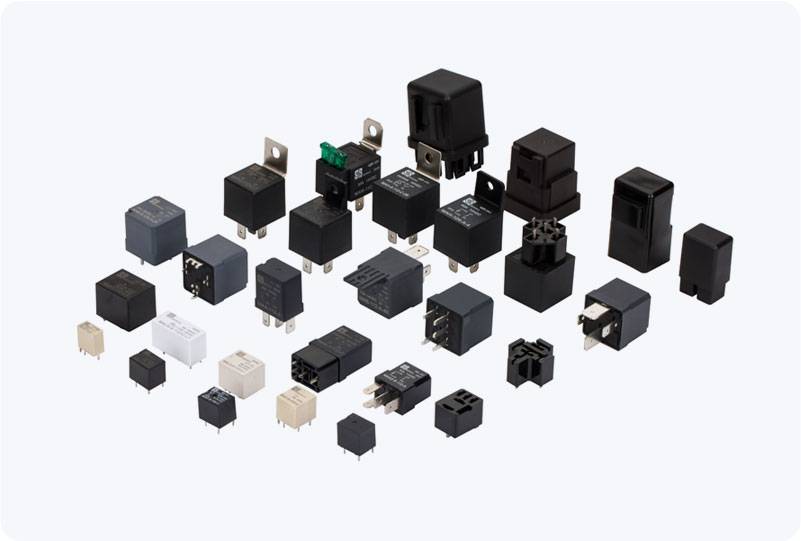
What is a Time Delay Relay? A Time Delay Relay is an electrical relay that introduces a time delay between receiving an input signal and triggering an output action. It operates by delaying the activation or deactivation of the connected device for a specified period. This delay can be adjusted to suit different applications, and the relay typically features an adjustable timing dial or digital control. Unlike traditional relays, which respond immediately to an input signal, a Time Delay Relay adds a delay, ensuring that operations happen after a specific time interval. The delay can range from a few milliseconds to several minutes, depending on the type and application.