Time Relays are critical components in the world of electrical control systems, playing a significant role in automation, safety, and time-sensitive operations. These devices are used to delay or control the switching of electrical circuits, based on time settings, which makes them a vital tool in many industrial, commercial, and residential applications. This article explores the working principle, types, applications, and benefits of Time Relays, shedding light on why they are indispensable in automation control.
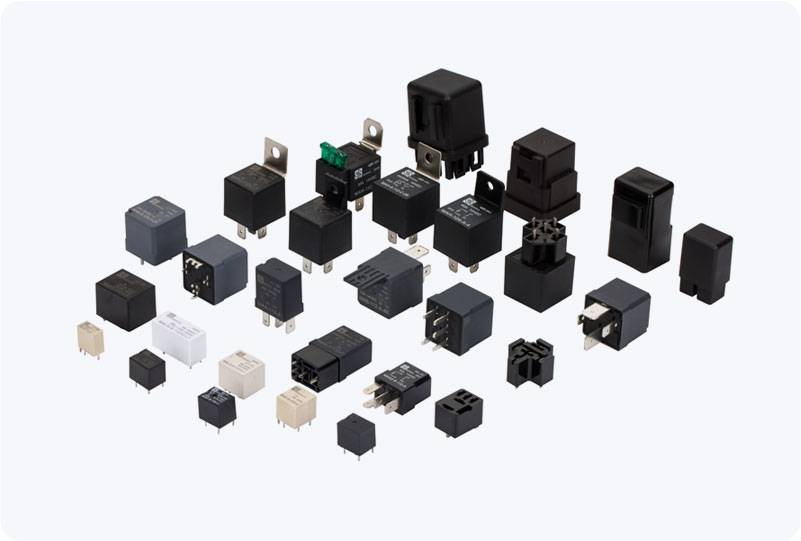
What is a Time Relay? A Time Relay is an electromechanical device that allows an electrical circuit to operate at a predetermined time delay. It is typically used to control the switching action of an electrical system, either by delaying the start or stop of an operation. Time Relays are often used to prevent electrical surges, control the timing of processes, and ensure that devices operate at the correct intervals. How Does a Time Relay Work? The basic function of a Time Relay involves controlling a relay switch with a time delay. The relay is typically triggered by an electrical input, which starts the timing cycle. Once the preset delay time elapses, the relay activates, either closing or opening its contacts to control the flow of current. Depending on the type of Time Relay, the relay may either start a process after a delay (on-delay) or stop a process after a delay (off-delay).