Modern automotive vehicles rely on increasingly complex electrical systems to power everything from basic lighting and infotainment to advanced driver assistance systems (ADAS) and electric vehicle (EV) powertrains. With dozens of wires and cables running throughout the chassis, cabin, and engine compartment, organizing and protecting these components has become a critical engineering challenge. Wiring duct for automotive electrical systems has emerged as an essential solution to this challenge, providing structured organization, long-term protection, and improved reliability for vehicle electrical networks. As vehicles become more electrified and connected, the role of high-quality wiring duct continues to grow in importance, influencing both vehicle performance and long-term durability.
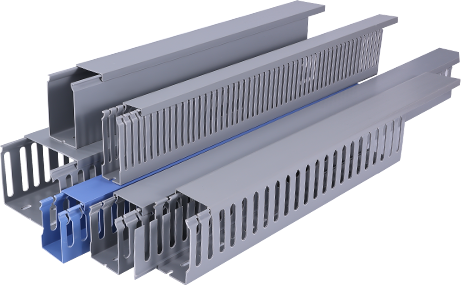
First, it is important to understand the core function and basic design of wiring duct for automotive electrical systems. Unlike generic cable management products used in construction or industrial settings, automotive wiring ducts are engineered to withstand the harsh operating conditions found inside vehicles. These ducts are typically made from heat-resistant, flame-retardant thermoplastics such as polypropylene or ABS, which can resist extreme temperature fluctuations, oil exposure, moisture, and vibration that are common in automotive environments. The duct features an open slotted design that allows wires to be inserted at any point along its length, making installation faster and more flexible compared to sealed conduit. This design also enables air circulation around wires, preventing heat buildup that can degrade insulation and cause premature electrical failure. Different sizes and configurations are available to accommodate everything from thin sensor wires in the cabin to thick power cables connecting EV battery packs to motor controllers.
Secondly, wiring duct delivers significant reliability and safety benefits that directly impact vehicle performance and owner satisfaction. Unorganized wires that rub against sharp metal chassis edges or hot engine components are at high risk of insulation damage, which can lead to short circuits, intermittent electrical failures, or even fire hazards. Wiring duct creates a physical barrier between wires and surrounding components, eliminating abrasive rubbing and protecting cables from environmental contaminants like road salt, water, and engine oil. In the event of a maintenance or repair work, wiring duct also makes it much easier for technicians to identify and access specific wires, reducing diagnostic time and the risk of accidental damage to adjacent cables during repairs. For electric and hybrid vehicles, which carry high-voltage cables that pose serious safety risks if damaged, the added protection provided by robust wiring duct is not just a convenience—it is a critical safety requirement that must meet strict industry regulatory standards.
Additionally, the use of properly designed wiring duct simplifies the manufacturing and assembly process for automakers, reducing production time and costs. Modern vehicle assembly lines rely on efficient, standardized processes to keep production moving, and pre-installed wiring duct allows workers to route and secure wires in a fraction of the time required for manual taping and zip-tying each individual cable. The standardized routing provided by wiring duct also reduces the risk of human error during assembly, ensuring that every vehicle comes off the line with correctly positioned wires that meet engineering specifications. This consistency improves overall build quality and reduces the number of post-assembly electrical defects that require rework before vehicles can be shipped to dealerships. For automakers producing multiple vehicle variants on a single platform, modular wiring duct systems can be easily adapted to accommodate different electrical configurations without requiring major redesigns of the vehicle chassis or interior components.
Furthermore, there are key design considerations that engineers must address when selecting and integrating wiring duct for automotive electrical systems. Space is always a limiting factor in vehicle design, so wiring duct must be low-profile and shaped to fit into tight gaps between the chassis, interior trim, and other components without adding unnecessary bulk. Weight reduction is another critical priority, as lighter vehicles improve fuel efficiency for internal combustion models and extend driving range for electric vehicles. Modern wiring duct manufacturers address this by developing thin-walled, high-strength designs that provide adequate protection without adding extra weight. Engineers also must consider accessibility: wiring ducts placed in serviceable areas should be easy to open or remove, while those installed in permanent under-chassis locations need to be securely fastened to withstand years of vibration and road debris impact.
In conclusion, wiring duct for automotive electrical systems is a seemingly small component that plays an outsized role in the safety, reliability, and manufacturability of modern vehicles. As automotive electrical systems continue to grow in complexity—especially with the rapid adoption of electric vehicles and advanced connectivity features—the demand for high-performance, well-designed wiring duct will only continue to increase. By providing structured organization, reliable protection, and manufacturing efficiency, automotive wiring duct helps automakers meet the strict performance and safety standards that today’s consumers expect. When selected and integrated properly, it delivers long-term value that benefits both manufacturers and vehicle owners, reducing maintenance costs and preventing unexpected electrical failures over the lifespan of the vehicle.