Zigbee is a widely used wireless communication protocol that enables smart devices to communicate efficiently with each other. Among the various Zigbee-enabled devices, the Zigbee Relay Module plays a crucial role in home automation, industrial control, and IoT (Internet of Things) applications. It combines the power of Zigbee wireless technology with relay functionality, enabling users to control electrical devices remotely. In this article, we will explore the Zigbee Relay Module, its features, applications, and how it enhances the connectivity of smart systems.
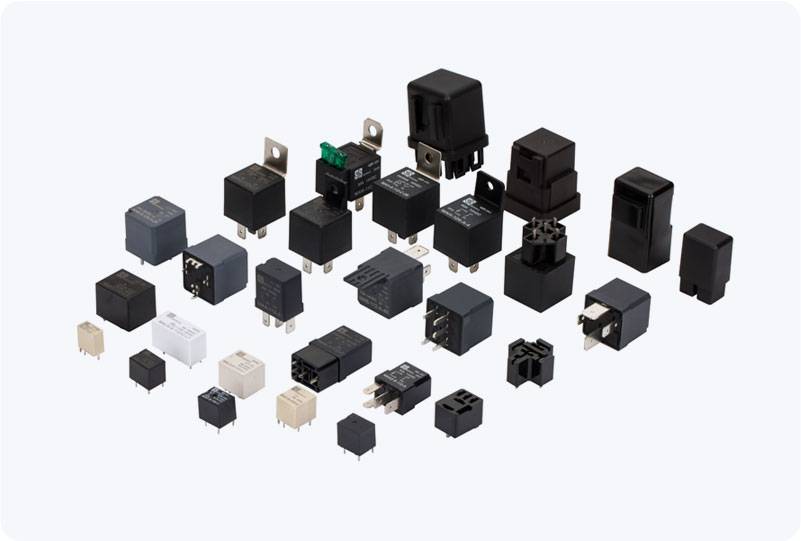
What is a Zigbee Relay Module? A Zigbee Relay Module is a device that allows users to control electrical appliances or circuits wirelessly using the Zigbee protocol. The module consists of two primary components: a Zigbee communication module and a relay switch. The Zigbee module enables wireless communication with a Zigbee gateway, hub, or controller, while the relay switch controls the flow of electricity to the connected load. This combination of Zigbee communication and relay switching makes it ideal for a wide range of smart home and industrial applications, including controlling lights, fans, air conditioners, and even larger machines in industrial environments.