Water solenoid valves play a crucial role in the automation of water control systems, ensuring the precise regulation of water flow in a variety of applications. From agriculture to household appliances and industrial systems, these valves provide convenience, efficiency, and reliability. Understanding their design, function, and applications can help users select the right type of solenoid valve for their specific needs. This article delves into the mechanics of water solenoid valves, their advantages, and the industries they serve.
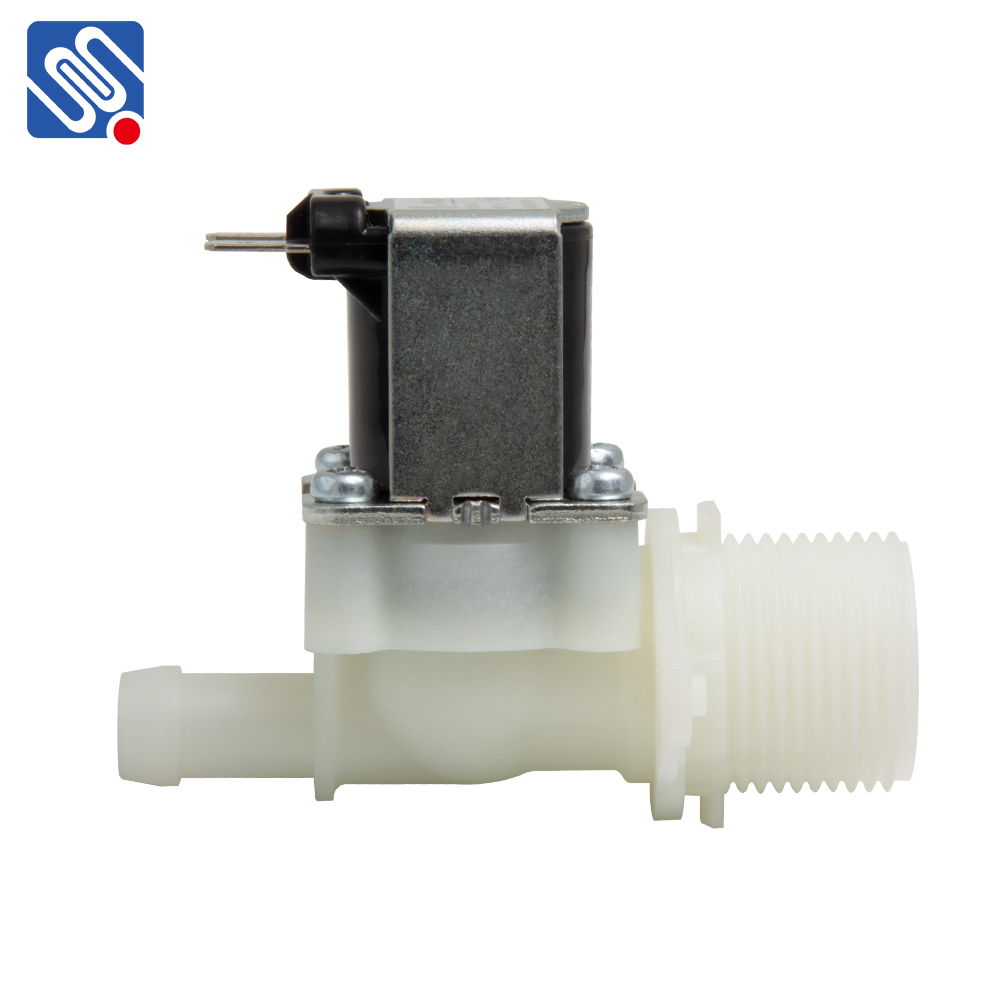
What is a Water Solenoid Valve? A water solenoid valve is an electromechanical valve used to control the flow of water in a system. It consists of an electromagnetic coil that, when energized, actuates a plunger or armature to open or close the valve. This valve can either be normally open (NO) or normally closed (NC), with the default state determined by the valve’s design. When powered, the solenoid coil creates a magnetic field that moves the internal mechanism, allowing water to flow or stopping it. In its simplest form, a water solenoid valve operates by converting electrical energy into mechanical motion to control the valve’s opening and closing action. This ability to automate water control processes makes it ideal for various applications, reducing the need for manual intervention.