A Watering System Solenoid Valve plays a crucial role in the efficient operation of modern irrigation systems, from small home gardens to large agricultural fields. This device automates the water flow control, ensuring that plants receive the optimal amount of water, reducing waste, and optimizing water usage. The solenoid valve is an essential component for anyone looking to implement a smart, efficient, and sustainable irrigation solution.
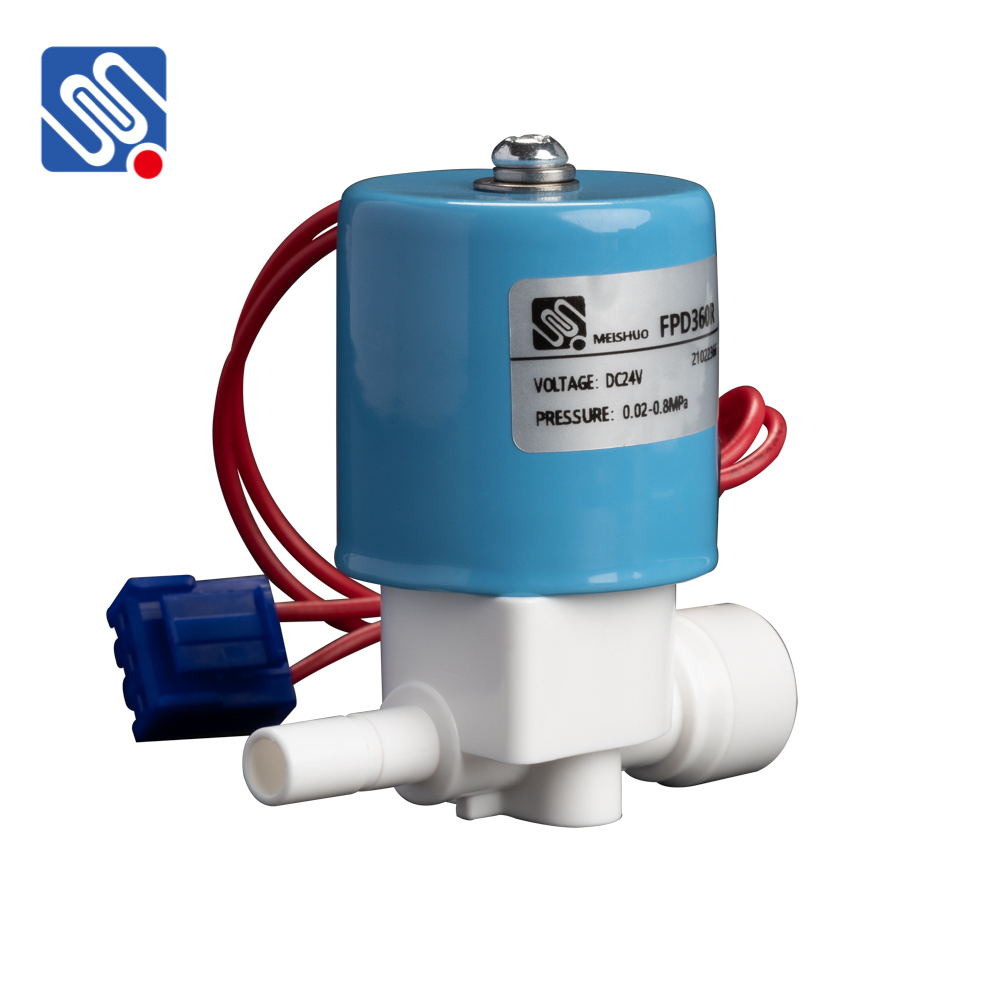
What is a Watering System Solenoid Valve? A solenoid valve is an electromechanical valve used to control the flow of water in a pipeline. It consists of a coil, a plunger, and a valve body. When electrical current flows through the solenoid coil, it generates a magnetic field that moves the plunger, either opening or closing the valve. In the context of a watering system, this mechanism allows for automatic control of water flow, opening the valve when the irrigation system needs to deliver water and closing it when irrigation is complete. How Does It Work? The operation of a Watering System Solenoid Valve is quite simple but effective. When the irrigation system is activated, a control signal is sent to the solenoid valve. This signal energizes the solenoid, causing the valve to open and allow water to flow through the system to the designated areas. When the system is deactivated, the solenoid is powered off, and the valve shuts, stopping the water flow.