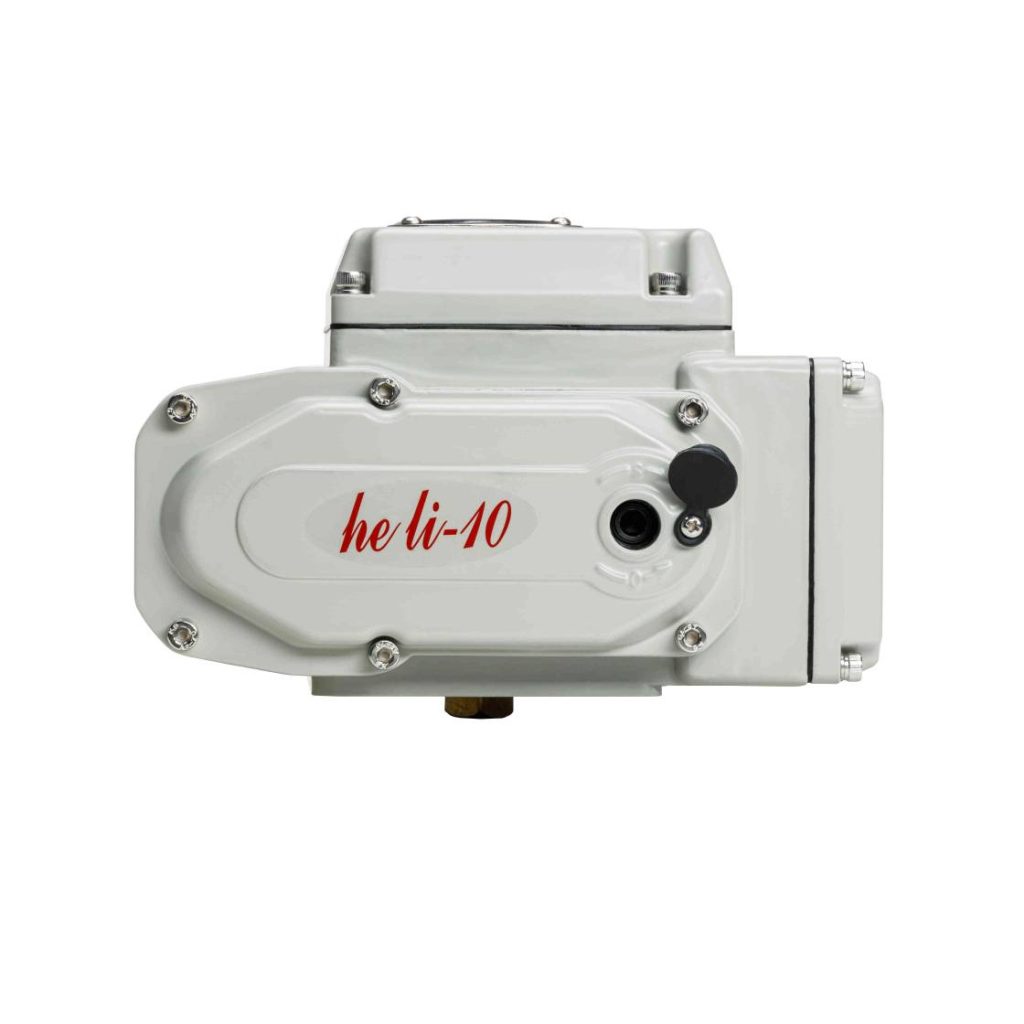
Waterproof electric actuators have become an essential component in the automation of various systems, from water treatment plants to industrial manufacturing environments. Their ability to operate in harsh, wet conditions without compromising performance makes them indispensable in applications where moisture or water exposure is a constant challenge. This article explores the design, benefits, applications, and considerations for using waterproof electric actuators, highlighting why they are the go-to solution for many industries.
What is a Waterproof Electric Actuator?
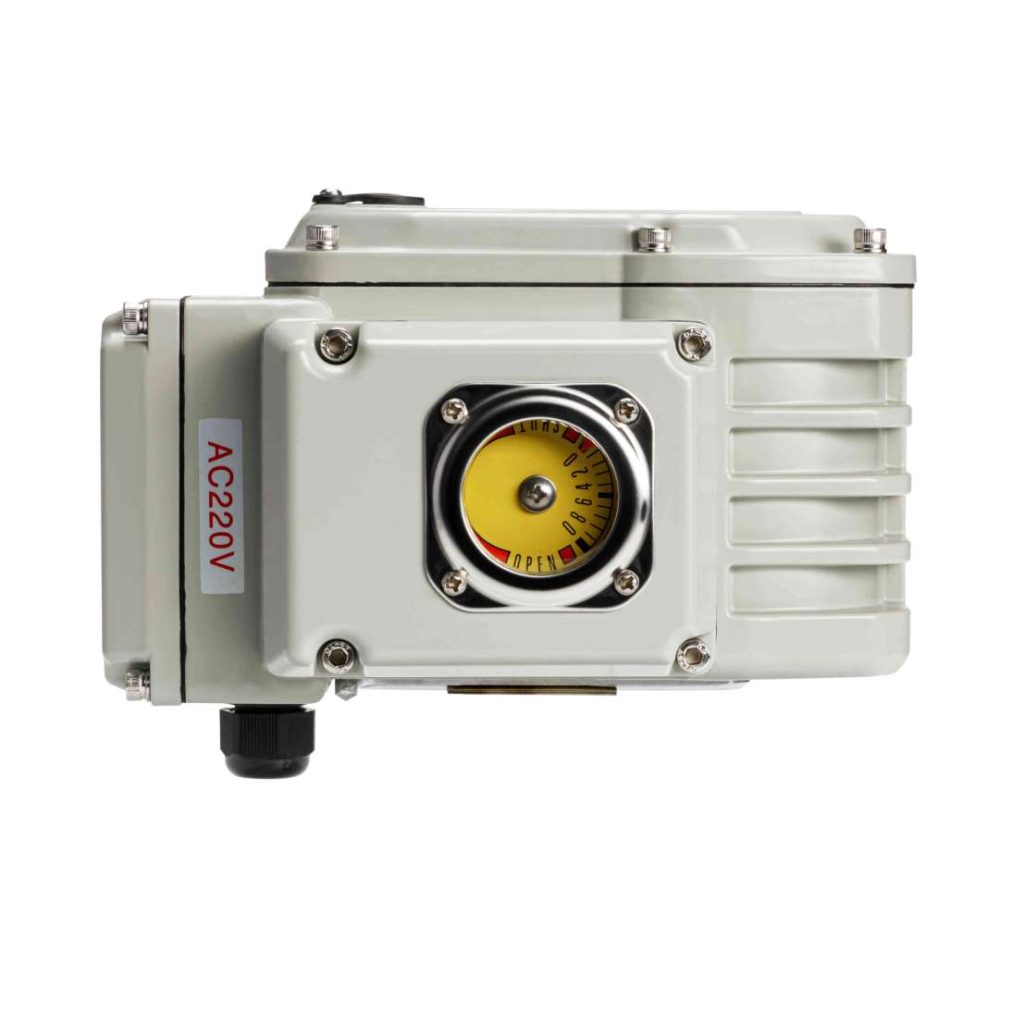
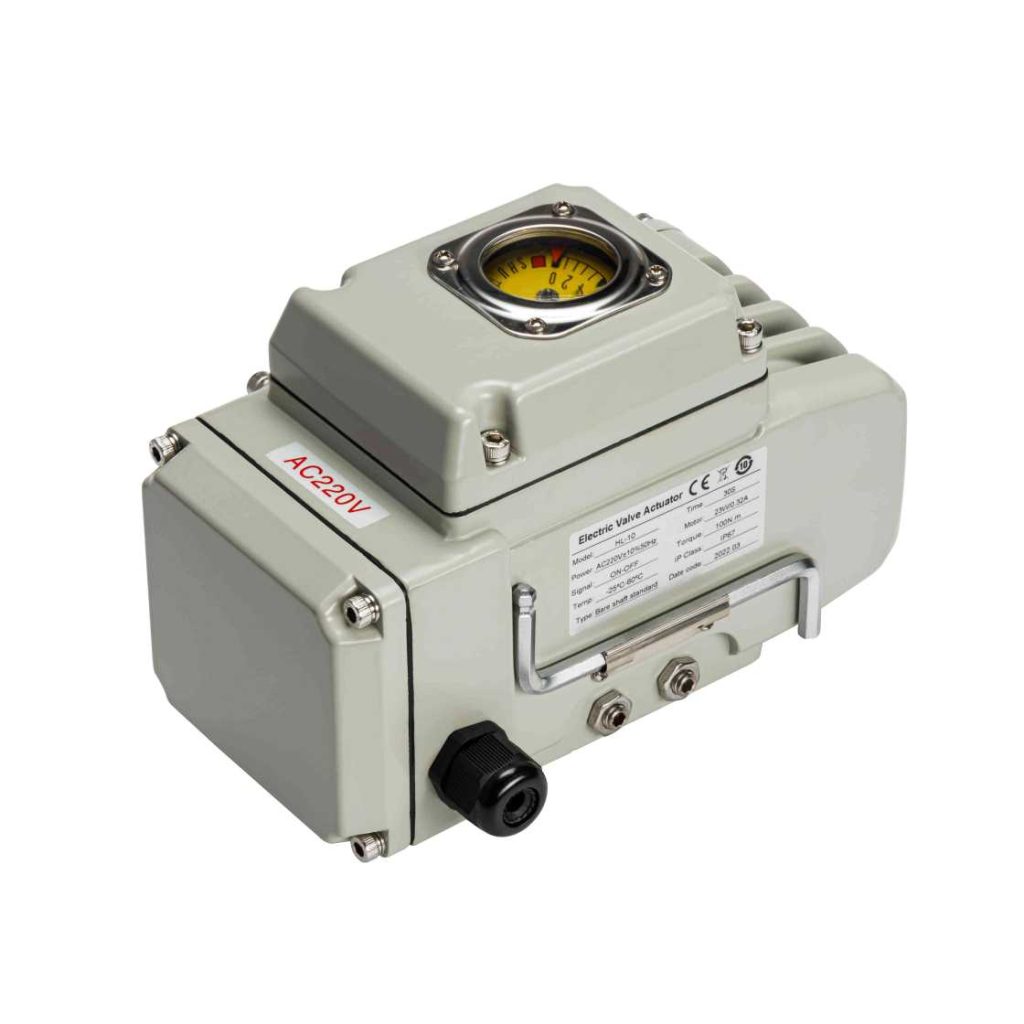
A waterproof electric actuator is a device that uses electrical energy to produce mechanical motion, typically to control valves, gates, or dampers. These actuators are specifically designed to operate in environments where exposure to water, humidity, or even submersion is a concern. The key feature of these actuators is their ability to withstand water ingress, ensuring that they remain functional and reliable in wet or outdoor conditions. The term “waterproof” refers to the actuator’s protective casing and sealing components, which are engineered to prevent water or moisture from penetrating the internal parts. These actuators typically meet industry standards like the IP65 or IP67 ratings, which indicate varying levels of resistance to water and dust. While IP65 offers protection against water jets and dust, IP67 ensures that the actuator can withstand brief submersion in water, making it suitable for more demanding environments.