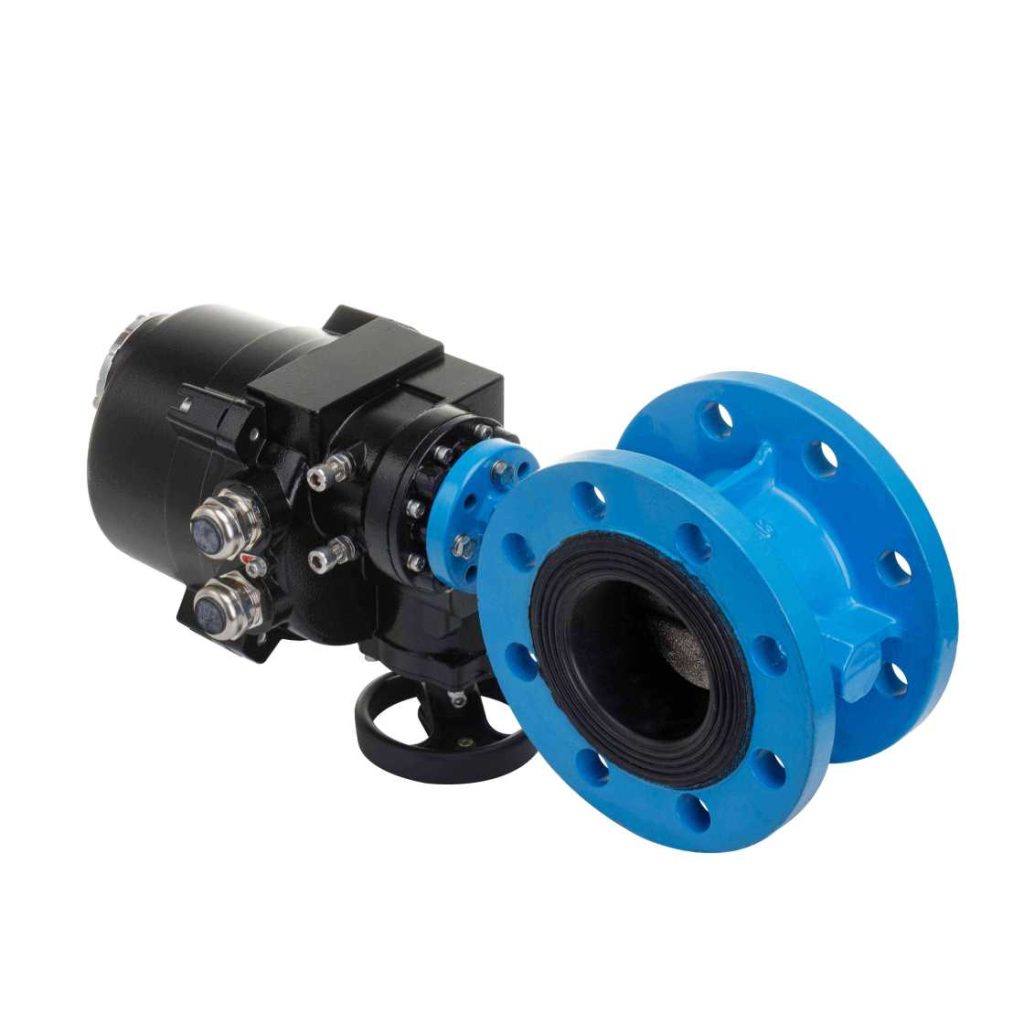
The WCB Electric Flanged Butterfly Valve is a critical component in modern fluid control systems. Known for its robust design and adaptability across a range of industries, this valve offers efficient control over the flow of liquids and gases. This article will delve into the design, operation, advantages, and key applications of the WCB Electric Flanged Butterfly Valve, providing insight into why it has become an essential part of industrial automation and process control.
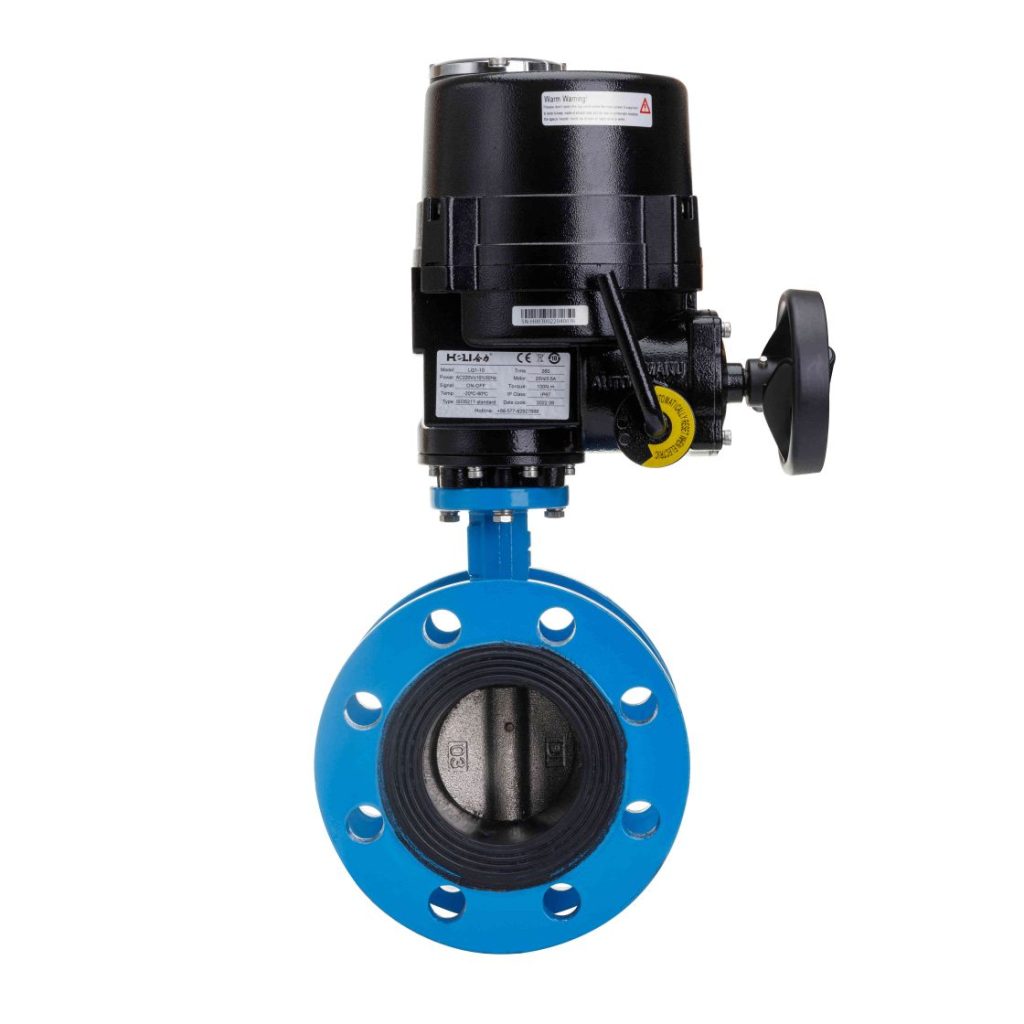
Design and Construction
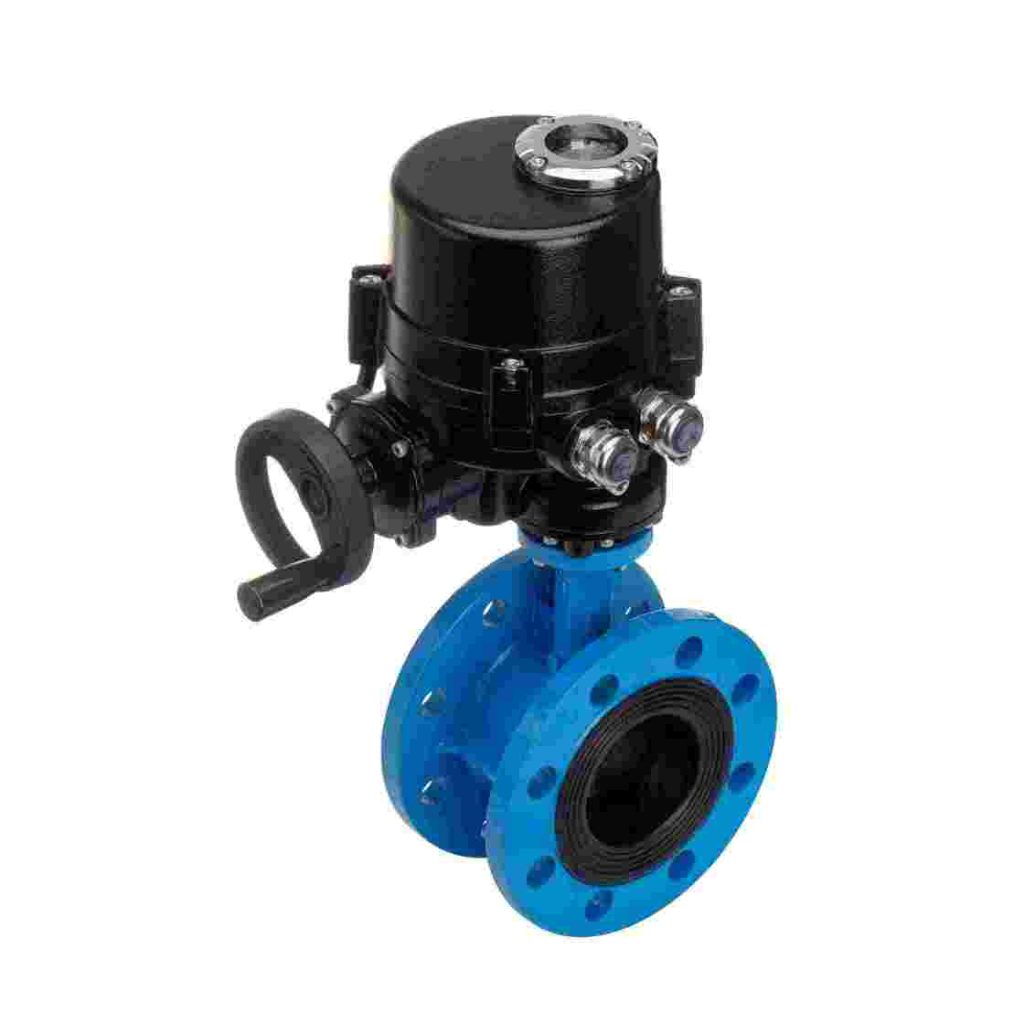
The WCB Electric Flanged Butterfly Valve consists of three main components: the valve body, the butterfly disc, and the electric actuator. The “WCB” designation refers to the material used for the valve body — a type of carbon steel, which is durable and resistant to wear and tear. This material is chosen specifically for its strength and ability to handle medium-pressure applications. The valve body is designed to withstand high-pressure conditions and maintain structural integrity over extended periods. The butterfly disc, which is the central element controlling the fluid flow, is mounted inside the valve body. It rotates around a central shaft, allowing for precise regulation of the fluid passage. The rotation of the disc can be controlled via an electric actuator, which is connected to an external power supply and controlled by signals such as ON/OFF, analog, or digital inputs.