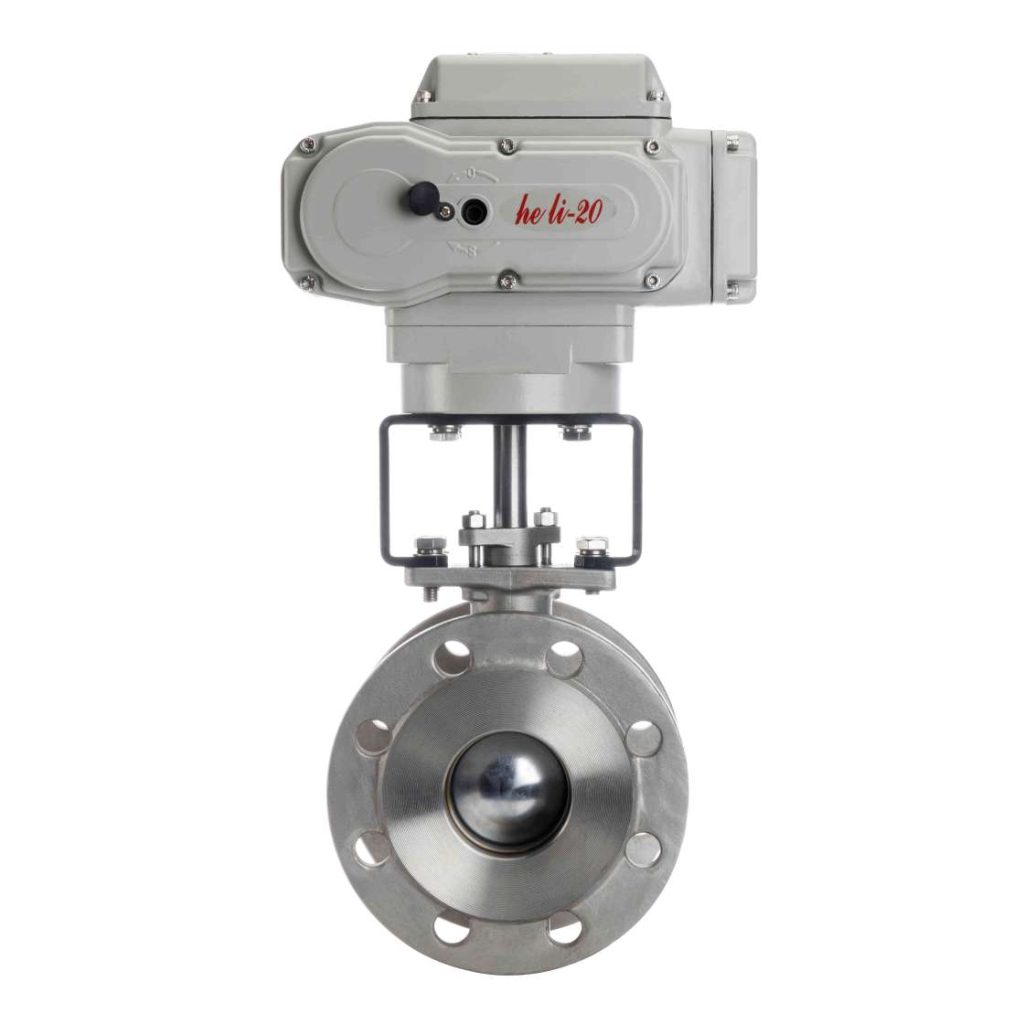
The WCB Electric V-ball valve is a critical component in modern industrial systems where precision control of fluid flow is essential. Combining the robust characteristics of WCB carbon steel with the accuracy of V-ball technology and the automation provided by electric actuators, this valve is ideal for use in diverse industries such as water treatment, chemical processing, and HVAC systems. In this article, we will explore the key features and advantages of the WCB Electric V-ball valve, its applications, and why it stands out in the world of flow control.
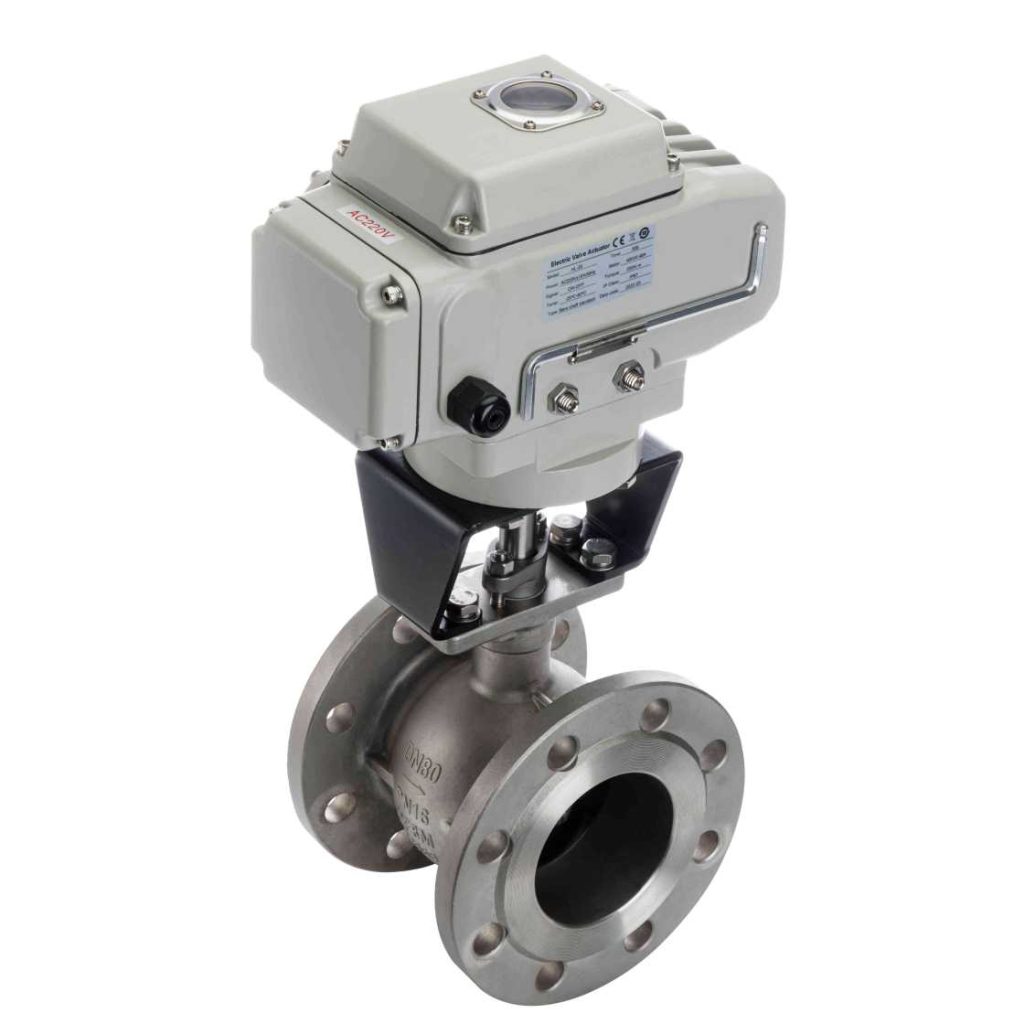
What is a WCB Electric V-ball Valve?
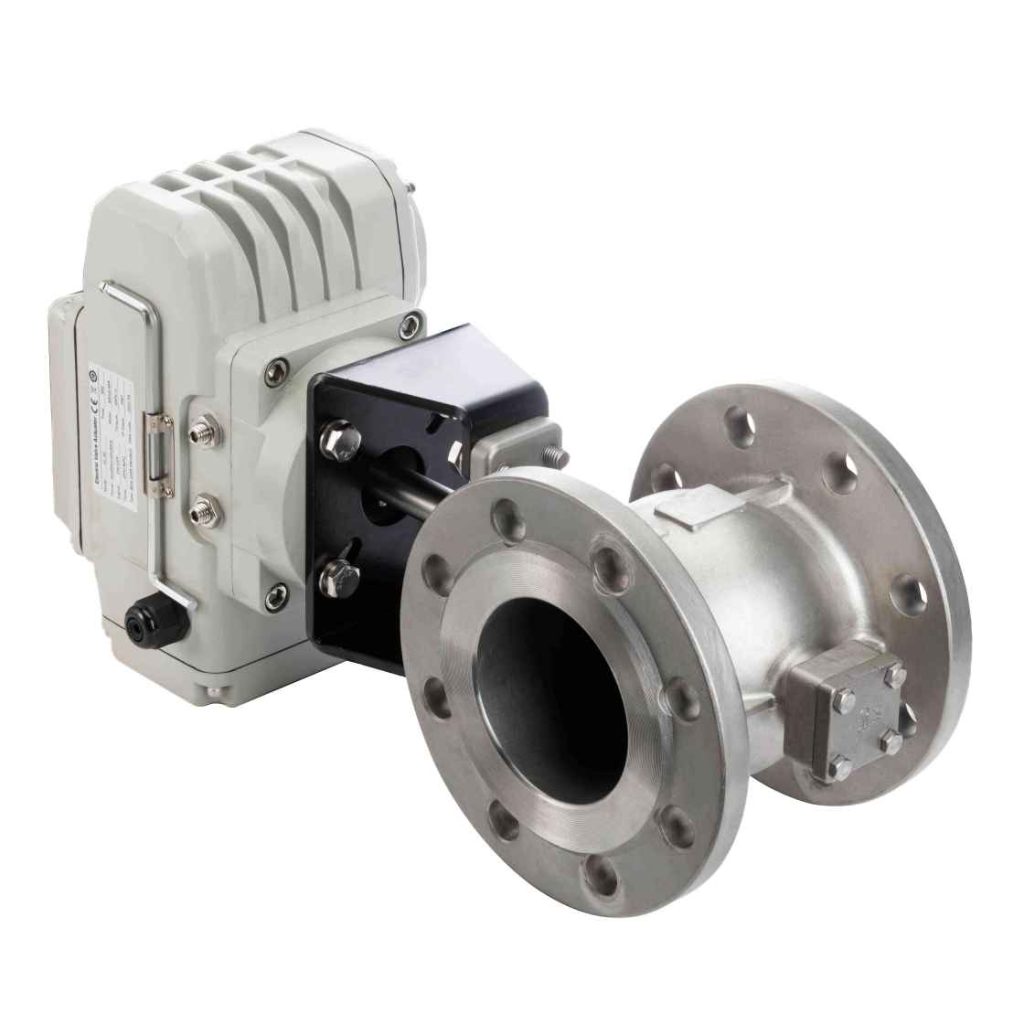
A WCB Electric V-ball valve consists of a ball with a V-shaped notch or hole, which helps in precise flow regulation. The valve is named after its body material, WCB (an acronym for ASTM A216 WCB standard carbon steel), known for its strength, durability, and resistance to corrosion. The “electric” part refers to the electric actuator that operates the valve, enabling remote control and automated flow adjustments based on signals from control systems. The V-shaped ball allows the valve to modulate the flow more effectively than conventional ball valves. The ball’s shape increases the turbulence of the fluid passing through it, allowing for more precise regulation of the flow, especially in applications requiring high accuracy.