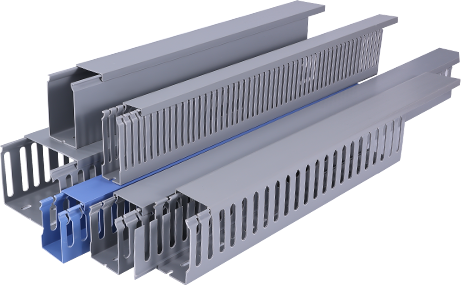
As the global adoption of solar photovoltaic (PV) energy accelerates, the importance of reliable, long-lasting system infrastructure has become increasingly prominent. While solar panels and inverters often receive the most attention from installers and system owners, wiring duct for photovoltaic systems is a critical component that directly impacts system safety, maintenance efficiency, and operational lifespan. Wiring ducts are specialized protective enclosures designed to organize, route, and shield electrical cables connecting solar panels, combiner boxes, inverters, and grid connection points. Unlike generic electrical wiring conduits, PV-specific wiring ducts are engineered to withstand the unique environmental and electrical demands of outdoor solar installations, making them an indispensable part of any properly designed PV system.
First, wiring duct for photovoltaic systems delivers core safety benefits that cannot be overlooked. Outdoor solar installations are constantly exposed to extreme weather conditions, including intense UV radiation, temperature fluctuations, heavy rain, snow, and wind. Unprotected cables are vulnerable to physical damage from falling debris, wildlife gnawing, and abrasion against sharp roof edges, which can lead to short circuits, electrical arcing, or even fire hazards. Wiring ducts create a robust physical barrier that isolates electrical cables from external damage and prevents accidental contact with live wires for maintenance workers or building occupants. Additionally, proper cable organization through wiring ducts reduces the risk of cable tangling and overheating, which can degrade insulation over time and compromise system integrity. For grid-tied PV systems that operate continuously for decades, this enhanced safety protection reduces liability for installers and system owners alike.
Secondly, the use of purpose-built wiring duct greatly simplifies long-term maintenance and system expansion. Many PV systems are designed to operate for 25 to 30 years, requiring periodic inspections, component replacements, or potential capacity expansions over their lifespan. When cables are loosely routed without organized wiring ducts, tracing a faulty cable or adding new connections can turn into a time-consuming, labor-intensive process. Wiring ducts clearly label and separate different circuit cables, allowing maintenance technicians to quickly identify and access specific components without disrupting the entire system. For commercial or utility-scale PV systems with hundreds of cables, this organizational benefit can cut maintenance time by more than 50%, reducing operational costs over the system lifecycle. When system owners decide to expand their solar capacity by adding more panels, new cables can be easily routed through existing spare capacity in wiring ducts, eliminating the need for major rework of the cable infrastructure.
Furthermore, selecting the right wiring duct for photovoltaic systems requires careful consideration of material properties and installation requirements. The most common materials for PV wiring ducts are UV-stabilized polyvinyl chloride (PVC), high-density polyethylene (HDPE), and aluminum. PVC ducts are the most cost-effective option for rooftop and ground-mount installations, offering excellent UV resistance and easy cutting and installation on site. HDPE ducts are more flexible and impact-resistant, making them ideal for installations that encounter frequent ground movement or heavy physical stress, such as ground-mount PV systems in seismic zones. Aluminum wiring ducts offer superior heat dissipation and mechanical strength, making them suitable for high-voltage utility-scale PV systems where large current loads generate excess heat. Installers also need to consider sizing: the duct must have enough internal space to accommodate all cables with 20 to 30 percent spare capacity for future expansion, and sufficient clearance to prevent overheating of bundled cables. For rooftop installations, slotted wiring ducts are often preferred to allow for water drainage and ventilation, reducing the risk of moisture buildup that can cause corrosion or insulation damage.
Finally, following proper installation best practices maximizes the performance and lifespan of wiring duct in photovoltaic systems. Installers should always route wiring ducts away from sharp edges and high-temperature areas such as near roof vents or HVAC exhausts, and secure ducts at regular intervals to prevent sagging or movement during high winds. All openings and end caps should be properly sealed to prevent dust, moisture, and insects from entering the duct, which can cause long-term damage to cables. It is also important to separate DC cables from AC cables within different ducts to avoid electromagnetic interference that can disrupt inverter performance. By adhering to these practices, installers can ensure that wiring ducts deliver their full benefits over the entire lifespan of the PV system.
In conclusion, wiring duct for photovoltaic systems is a far more critical component than many casual observers realize, playing a key role in ensuring system safety, reducing maintenance costs, and extending operational lifespan. As the solar industry continues to grow and evolve, investing in high-quality, properly installed PV-specific wiring duct is a small cost that delivers significant long-term returns. Whether you are an installer designing a new system or a system owner planning an upgrade, understanding the benefits and proper selection of wiring duct will help you build a more reliable, efficient, and safe solar energy system.