AC Solenoid Valves are critical components in many industries, serving as the primary control mechanism for regulating the flow of liquids and gases. These valves use electromagnetic force to open or close a valve, making them essential in a variety of automation processes. In this article, we will explore the working principle, applications, benefits, and key considerations for choosing AC Solenoid Valves.
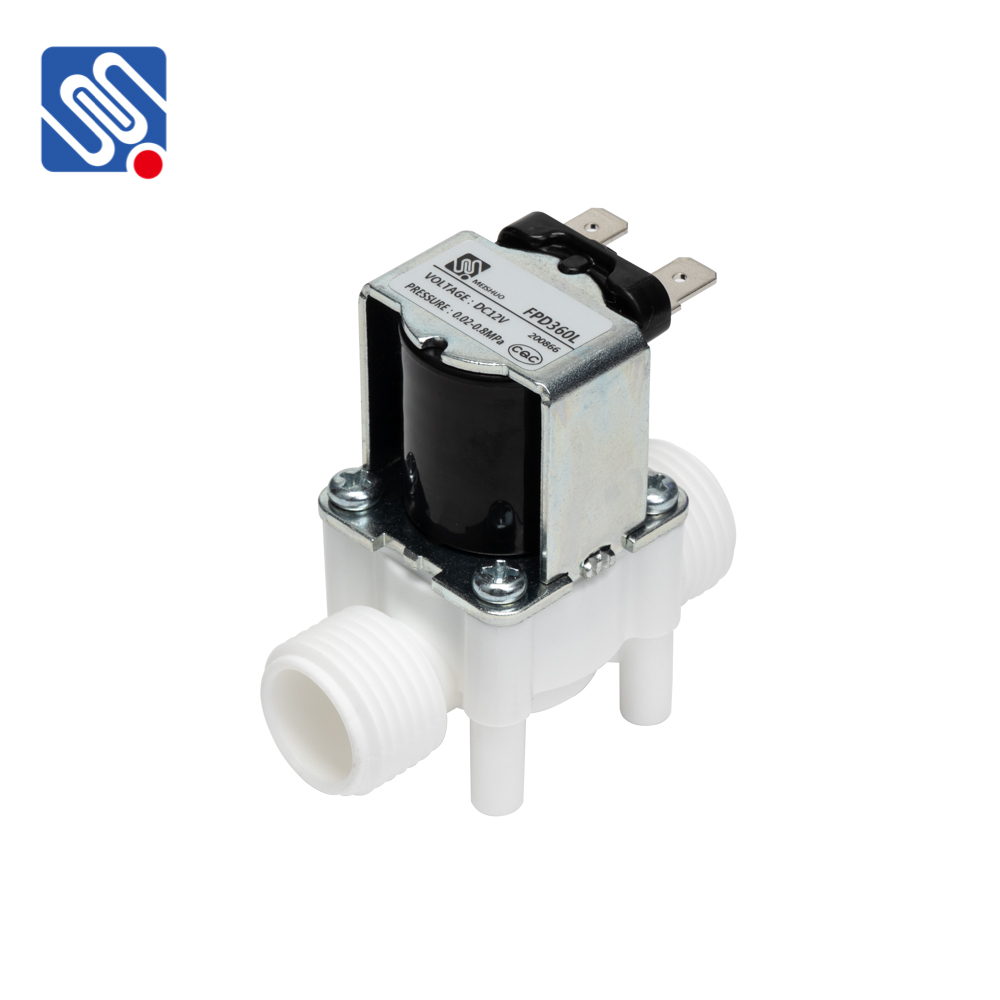
Working Principle of AC Solenoid Valves The AC Solenoid Valve operates based on the interaction between electrical energy and electromagnetic force. When an alternating current (AC) passes through the solenoid coil, it creates a magnetic field. This magnetic field then activates the valve by either pulling or pushing a plunger or diaphragm, depending on the design. The movement of the plunger or diaphragm opens or closes the valve, allowing or stopping the flow of fluid. Solenoid valves come in different configurations, including normally open (NO) and normally closed (NC) types. A normally closed valve remains shut when no power is applied, whereas a normally open valve remains open in its default state. The electromagnetic force activates the valve to either open or close based on the system’s requirements.