Relay technology plays a pivotal role in a wide range of electronic and electrical systems, enabling efficient control and automation. A relay is an electrically operated switch that allows a small current to control a larger one, offering a simple yet effective means of controlling various devices. While relay technology has been around for decades, its applications continue to evolve, particularly in fields like automation, power systems, automotive industries, and telecommunications. This article will explore the basics of relay technology, its types, and the many applications that highlight its importance in modern systems.
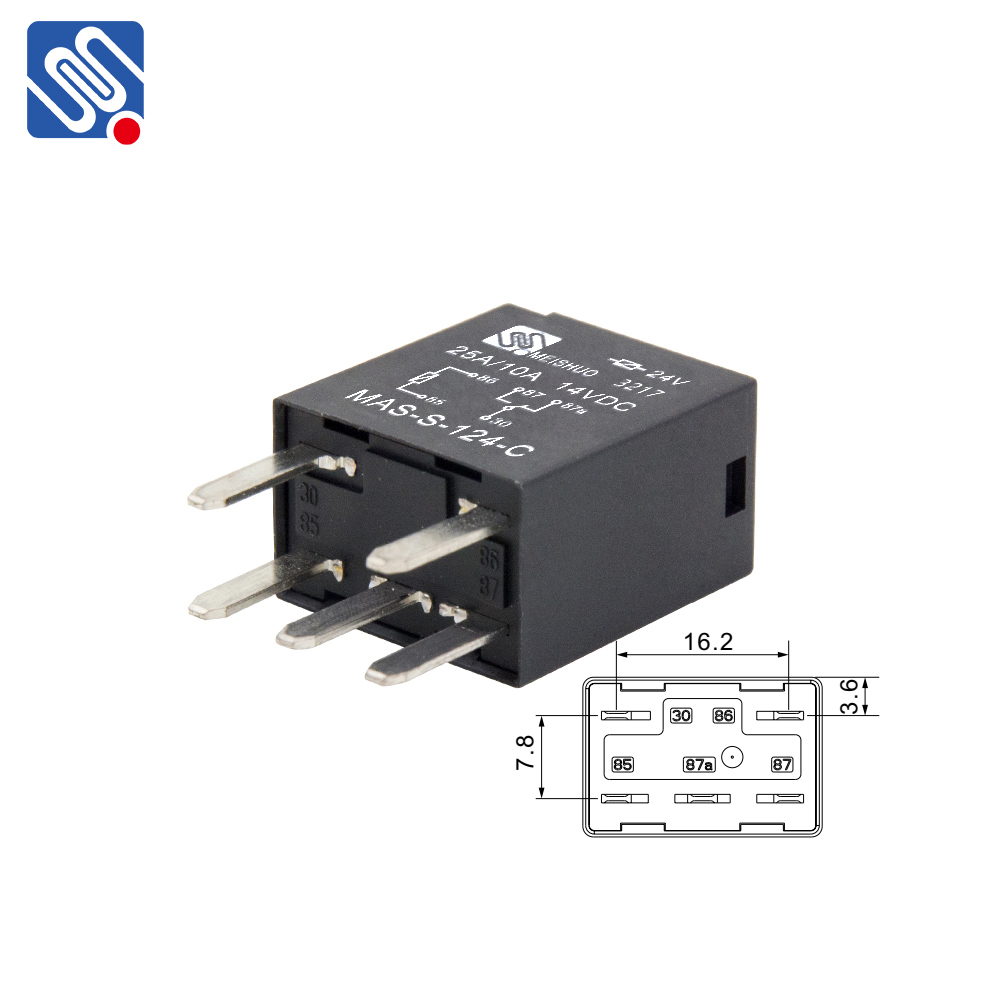
What is Relay Technology? At its core, a relay is an electromechanical switch that uses an electromagnet to operate mechanical contacts. When an electric current passes through the coil of the relay, it generates a magnetic field that either attracts or repels an armature, thus opening or closing the contacts. This allows a circuit to be controlled by a low-power signal, which can switch on or off a much higher power circuit. The main advantage of relay technology lies in its ability to isolate different parts of a system while controlling power-intensive devices. Types of Relays There are several types of relays, each suited to different applications based on their design and functionality. The most common types include: