In today’s rapidly advancing industrial and automation environments, controlling fluid flow accurately is paramount to achieving optimal system performance. One critical technology that facilitates this control is the Flow Control Solenoid Valve. These valves combine the functionality of fluid flow regulation with the precision of electromagnetic control, offering numerous advantages in various applications, from hydraulic systems to pneumatic machinery. This article will explore the workings, types, and applications of Flow Control Solenoid Valves, along with their significant role in modern engineering.
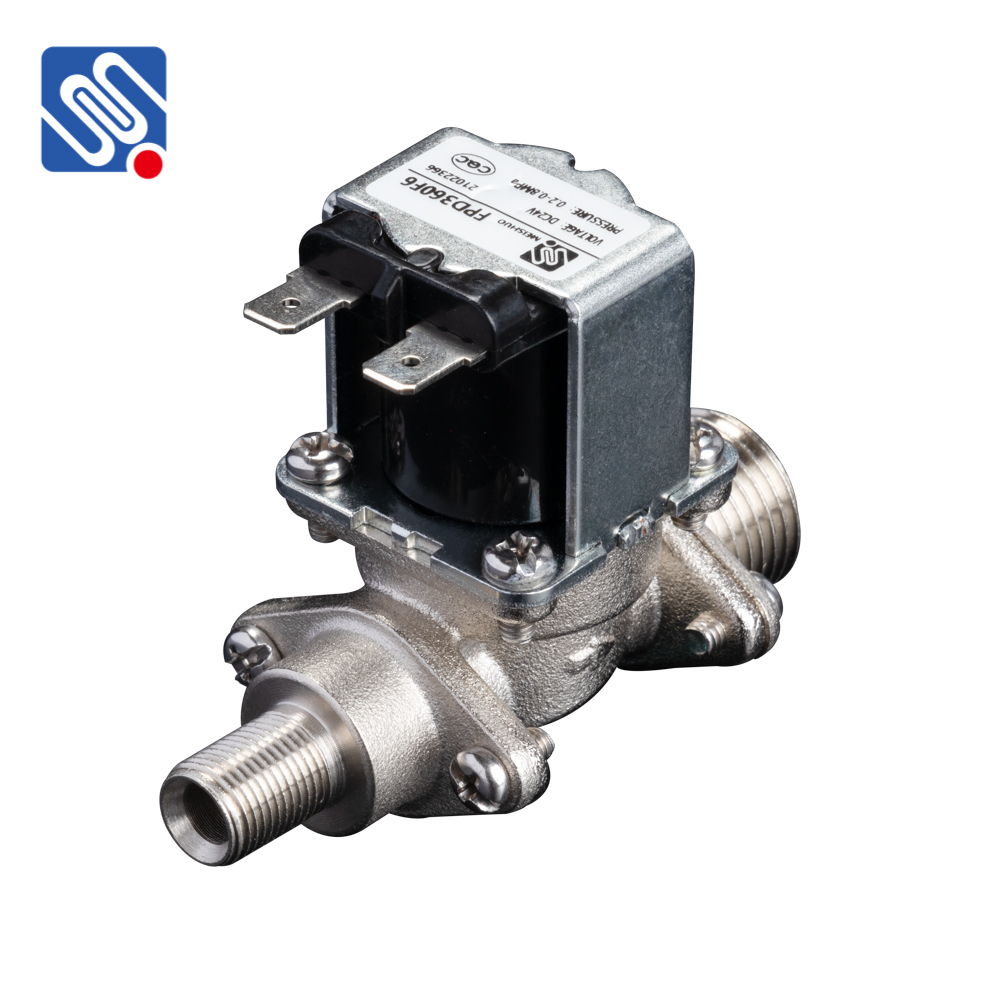
What is a Flow Control Solenoid Valve? A Flow Control Solenoid Valve is an electromagnetic valve designed to regulate the flow of fluids (liquid or gas) through a system. Unlike traditional mechanical flow control valves, these solenoid valves operate using an electrical signal to control the position of a valve element (typically a spool or plunger), which in turn adjusts the size of the fluid passage. The combination of solenoid-driven actuation and flow control makes this valve highly adaptable and suitable for automation, offering fast and accurate response times. The basic construction of a Flow Control Solenoid Valve includes an electromagnet (the solenoid coil), a movable valve element, a valve body, and a return spring. When an electric current flows through the solenoid, it creates a magnetic field that moves the valve element. This action either opens or closes the flow path, regulating the flow of the fluid. The spring ensures that the valve returns to its default state (open or closed) when power is turned off.