Industrial relays play a crucial role in electrical power systems by detecting faults, initiating protective actions, and ensuring the safe and efficient operation of electrical networks. To ensure their proper function, reliability, and compatibility in diverse environments, a number of standards have been developed by the Institute of Electrical and Electronics Engineers (IEEE). These standards set guidelines for the design, testing, application, and performance of relays used in industrial settings, ultimately ensuring the protection of both equipment and personnel. This article provides an overview of the key IEEE standards for industrial relays and their significance in modern power systems.
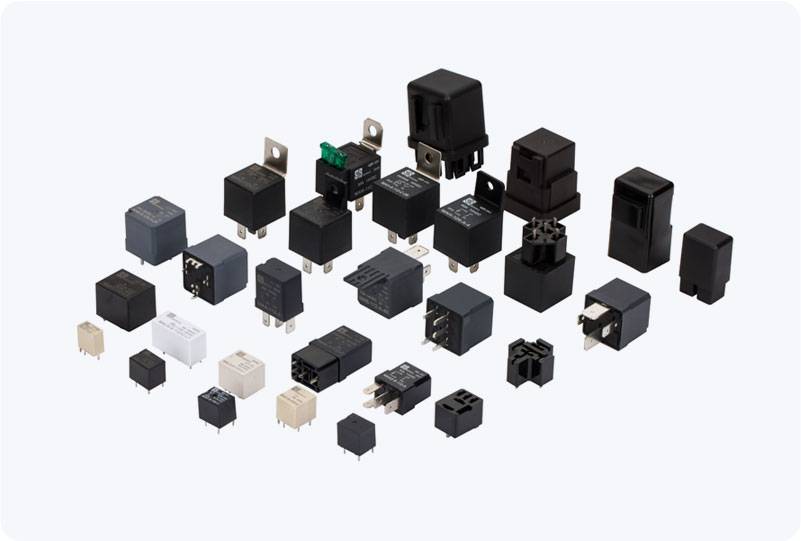
The Importance of Industrial Relays in Power Systems Industrial relays serve as the first line of defense in electrical protection systems. Their primary function is to detect abnormal conditions in the power system, such as overloads, short circuits, or faults, and initiate the necessary corrective actions, such as tripping a breaker or disconnecting a faulty section of the network. This action prevents damage to equipment, minimizes downtime, and ensures the safety of personnel working within or near electrical systems. Given the critical role these relays play, adhering to established standards is vital for ensuring their effectiveness and reliability.