Lockout/Tagout (LOTO) is an essential safety procedure in various industries, particularly in environments where machines and equipment are powered by hazardous energy sources like electricity, gas, steam, or hydraulic pressure. Among the most crucial elements of this procedure are lockout tagout padlocks—specialized locks that ensure energy isolation and safeguard workers from dangerous machinery during maintenance or repair tasks. In this article, we will explore the importance of lockout tagout padlocks, how they work, and why they are critical in maintaining workplace safety.
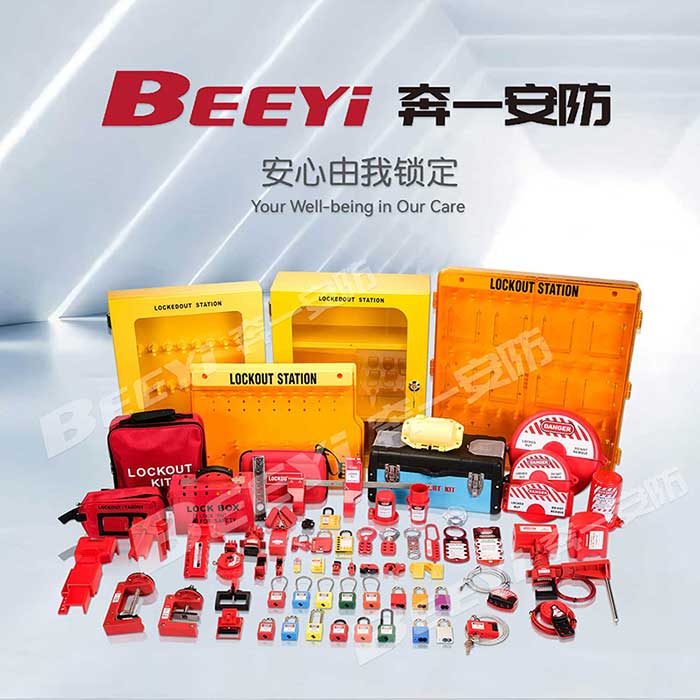
What Are Lockout Tagout Padlocks? Lockout tagout padlocks are safety devices used in industrial settings to prevent the accidental release of hazardous energy while machines or equipment are being serviced. These locks are a core component of the Lockout/Tagout program, which ensures that machinery remains in a de-energized state during maintenance, repair, or cleaning. The padlocks are used to lock energy-isolating devices, such as circuit breakers, valves, and switches, to keep them in the “off” position. Lockout tagout padlocks differ from traditional locks in several ways. First, they are typically brightly colored—commonly in red, yellow, or orange—making them easy to spot and identify. They are also durable, often made from materials like thermoplastic or stainless steel, which can withstand harsh environmental conditions. Furthermore, each lock is usually assigned to an individual worker, preventing unauthorized access to locked-out energy sources.