In today’s advanced electrical systems, particularly in electric vehicles and renewable energy applications, the efficient management of power and the protection of sensitive components is paramount. One crucial component that plays a pivotal role in achieving this goal is the Precharge Relay. This device is essential for ensuring a safe and reliable startup for systems that incorporate large capacitors, thereby protecting both the device and its components from potential damage due to inrush currents. In this article, we will delve deeper into the function, working principles, applications, and considerations related to Precharge Relays.
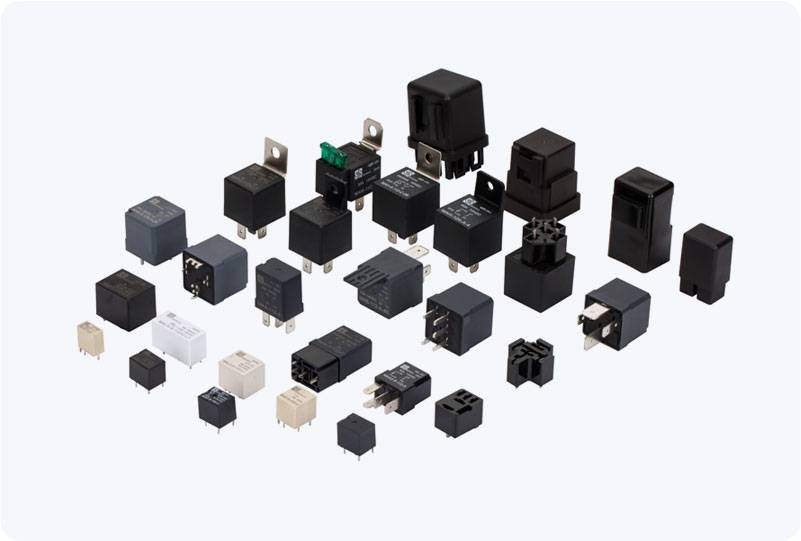
The Basics of Precharge Relay The Precharge Relay serves primarily to control the initial charging of capacitors within high-voltage electrical systems. When power is first applied to a device, large capacitors present in circuits such as motors, inverters, and energy storage systems can draw a significant inrush current. This sudden surge can cause damage not only to the capacitors but also to power electronic components such as switches, fuses, and circuits. The Precharge Relay mitigates this risk by managing the charging process, enabling capacitors to gradually acquire voltage and minimizing initial current spikes.