In today’s increasingly automated industrial landscape, safety is paramount. One critical component that plays a vital role in enhancing electrical safety is the Safety Isolated Relay. This article aims to explain what safety isolated relays are, how they work, their key features, applications, and why they are essential for modern automation systems.
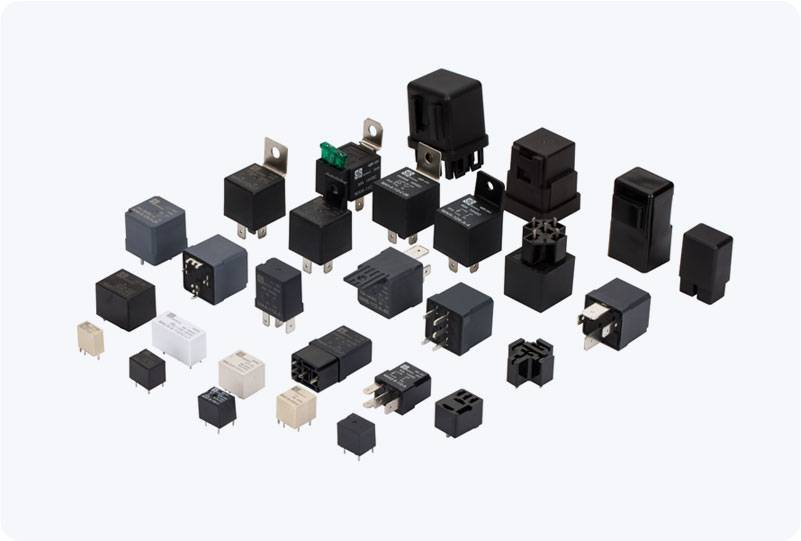
What is a Safety Isolated Relay? A Safety Isolated Relay is an electromechanical or electronic device designed to provide electrical isolation between control circuits and power circuits. Its primary function is to ensure that, in the event of a failure or malfunction, the control system remains completely isolated from high-voltage circuits, preventing potential hazards such as electric shock or fire. These relays are crucial in environments where safety is of utmost importance, such as industrial automation, process control, and machine safety systems. How Does It Work? The operation of a safety isolated relay is quite straightforward. When a specific control signal is applied to the relay’s input, the relay energizes, closing its internal contacts and allowing current to flow through the power circuit. The electrical isolation is typically achieved through the use of insulating materials or magnetic coupling between the input and output sides of the device. This isolation ensures that high-voltage or potentially dangerous electrical conditions do not affect the low-voltage control circuit, thus maintaining safety and integrity.