In the world of electronics, the ability to control high-power devices using low-power signals is a fundamental aspect of circuit design. One of the most crucial components that facilitate this process is the Optocoupler Protected Relay Module. This module plays a vital role in isolating sensitive control circuits from high voltage or high current environments, ensuring both safety and functionality. In this article, we will explore the workings, components, advantages, and key considerations for using the Optocoupler Protected Relay Module.
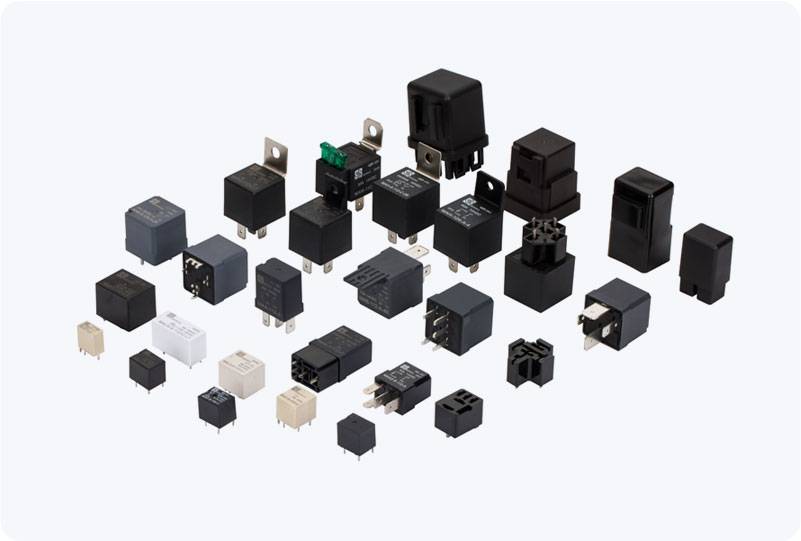
What is an Optocoupler Protected Relay Module? At its core, an Optocoupler Protected Relay Module is a relay module that incorporates optocoupler isolation. It is designed to control high-voltage or high-current devices using low-voltage control signals, typically from a microcontroller or microprocessor. The inclusion of an optocoupler offers a significant advantage — it electrically isolates the control circuit from the load circuit. This isolation protects sensitive components, such as microcontrollers, from electrical surges, spikes, or faults in the high-voltage circuit. Key Components of an Optocoupler Protected Relay Module