Relays are crucial components in modern electronic systems, often used to control the flow of current between circuits, offering both practical benefits and complex functionalities. Understanding the different types of relays and how they compare to each other is essential for choosing the right relay for specific applications. In this article, we will explore various types of relays, their key differences, and provide a comparative analysis to help in selecting the most suitable option for particular needs.
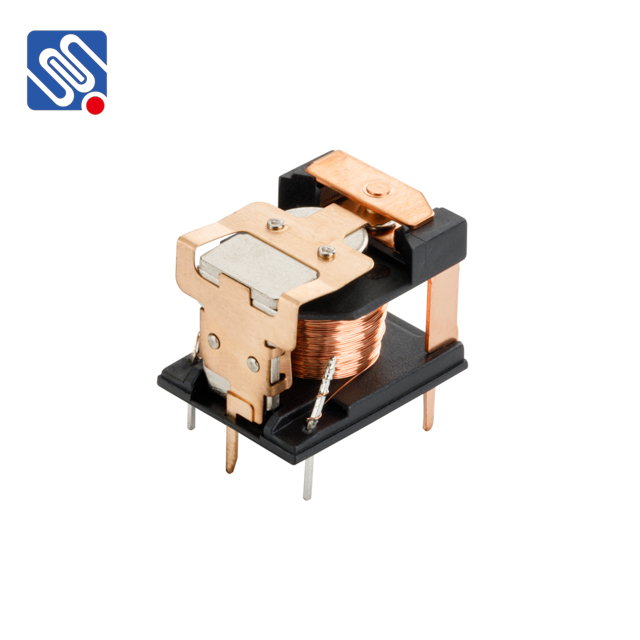
What is a Relay? A relay is an electrically operated switch that allows a low-power signal to control a high-power circuit. It typically consists of a coil, an armature, contacts, and a spring. When current passes through the coil, it creates a magnetic field that moves the armature, causing the contacts to either open or close. This action enables the relay to turn on or off devices in a controlled manner. Types of Relays Relays come in several types, each designed for specific functions. The most common types include electromagnetic relays, solid-state relays, thermal relays, and reed relays.
Leave a Reply
You must be logged in to post a comment.